Click on title to see listing on Amazon

BILL BALLENTINE
1911- 1999, artist & illustrator
https://en.wikipedia.org/wiki/Bill_Ballantine_(illustrator)
Bio:Bill Ballantine
Born in 1910 in Millvale, Pennsylvania, Ballantine was introduced to circuses by his father, a member of the Mystic Shrine and once mayor of their home town. Mixing sawdust and grease paint with the sparkling tarnish of the music hall next door to his childhood home, Ballantine developed a lifelong hunger for show business. After graduating from high school, Ballantine found work in sign shop, painting posters for local movie houses, and after several years, began attending the Art Institute of Pittsburgh, beginning his long career as an artist/illustrator and later writer. Through the years, he worked for a succession of employers, including the Pittsburgh Sun-Telegraph, Associated Press, PM, Punch and during WW II, the Office of War Information (a forerunner of the CIA) for which he designed and drew pro-democracy leaflets that the US government air-dropped over the continent. Even while collecting a weekly paycheck at a newspaper, news service, or government agency, Ballantine also accepted freelance illustration and writing assignments that often provided him the opportunity to hitch rides with circus caravans. He traveled with Ringling Bros Circus during the 1946 season and then, finally, in 1947, he decided to bid a temporary farewell to the workaday world of publishing and run away to the circus. He “joined out” as a clown with the biggest of all big tops, Ringling Bros. and Barnum Bailey Circus. It was his great fortune to become a member of the Ringling clown alley with the august of the augustes—Felix Adler, Paul Jerome, Paul Jung, Emmett Kelly, and Harry Dann—as his working colleagues. While working as a clown, he met his wife, Roberta Ballantine, a graduate of Pomona College who left California immediately after receiving her BA to go to NY where she worked as an actress and comedienne before being hired by RBBB as the slender six-foot tall “Snow Queen” who rode about the tent in the payoff float, a horse-drawn carriage with Prince Paul, the midget king. In her silver spangled skin-tight costume with her three-foot high ostrich plume headdress, she looked “nine feet tall” to Bill who walked behind the float dressed as a sailor carrying a buxom mermaid. From the waist up, he was mermaid, his clown face framed by long blond curls and a golden crown topped by a single pink feather. A double strand of three-inch (76 mm) fake pearls hung down over pearl studded breasts. Rings and bracelets slipped over his elbow length white cotton gloves, and in one hand, he carried a gold-filigree hand mirror. From the waist down he was sailor with white cotton duck pants reaching to red striped socks and oversized clown shoes. Strapped to his front was the false fish tail of the mermaid and strapped to his back the false upper half of the sailor. As a final touch, the false arms of the sailor’s torso draped around his own waist, and there he was, a sailor carrying a mermaid. After Bill and Roberta married in 1948, they both left the life of sawdust and spangles, but Bill soon returned, first to design a complete new midway for the show, including sideshow banners and menagerie cage designs, and then as a chronicler of the backlot and the show. Over his long career as a writer/illustrator, he published nearly 100 articles on circus and travel and illustrated regularly True magazine’s backpage feature “Strange but True” with his graceful and warmly humorous pen and ink line drawings. In 1994 sixty four of his large circus drawings were exhibited at the John and Mable Ringling Museum of Art Circus Gallery in Sarasota, Florida, where Bill and Roberta settled after raising a family of five children in Rockland County, NY. Then later by the City of Gainesville, Florida. [edit]
Links: http://en.wikipedia.org/wiki/Bill_Ballantine
LUCIENNE BLOCH
Jan 5, 1909 – March 13, 1999
https://en.wikipedia.org/wiki/Lucienne_Bloch
Bio:Bloch, LUCIENNE.


Bio:Bloch, LUCIENNE.
born January S’ 1909, in Geneva, SWitzerland, and her childhood was spent there, then in New York and Cleveland. studied at Ecole des Beaux Arts, Paris.
Lucienne Bloch’s father is the composer, Ernest Bloch, her sister Suzanne, is known for her unique concerts of ancient music.
At the age of eleven Lucienne was already illustrating – her own child fancies Such as The Cat’s Weekly . After a SCore of years of study and work _ academic training in sculpture and painting in Paris, Berlin and F glass sculpture designing in Holland, assistant to Diego in Detroit and New York – she returned to her chl ambition as illustrator of children’s books. As a child her j illustrations were those of Boutet de Monvel in the son, Chansons de France pOur les Petits Francais; as an adu own three children have been her prime inspiratio: recent years she and her artist husband, Stephen P. Din have been lecturing on art and painting murals in varioul of the United States. They have executed a mural fe architect, Eric Mendelsohn, at Temple Emanuel, Grand R: Michigan, and a 15,000 square foot mural for Internal Business Machines at San Jose, California. Lucienne 1 has Won the Gorham Award in Sculpture; Gold Meda Lithography at the Paris Decorative EXPOSition; San Franc Art Festival Prize in Water Color, 1950, 1954 and 1955; other prizes in ceramics, children’s portrai ts, and for t illustrations. Her glass sculpture and lithographs are in val museums in the United States and Europe. The Dimitr have moved from Flint, Michigan, and now make their he in Mill Valley, California.
Links:
http://www.luciennebloch.com/biographies/lucienne_bloch.htm
REMY CHARLIP
Jan 10, 1929 – August 14, 2012
https://en.wikipedia.org/wiki/Remy_Charlip
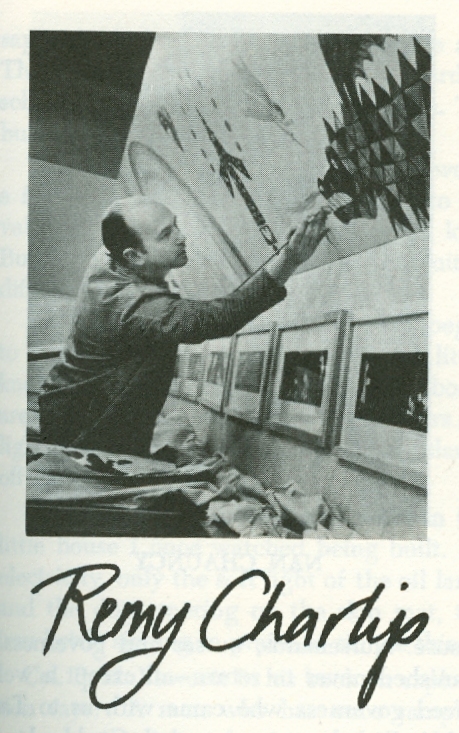

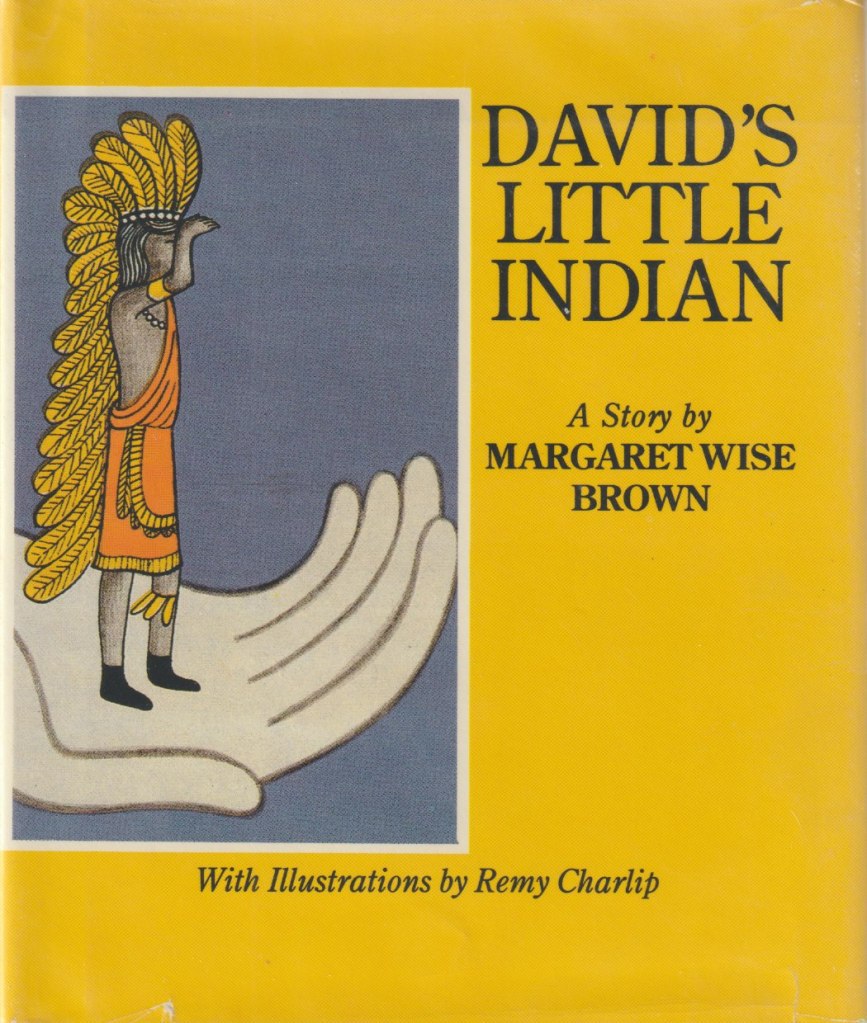
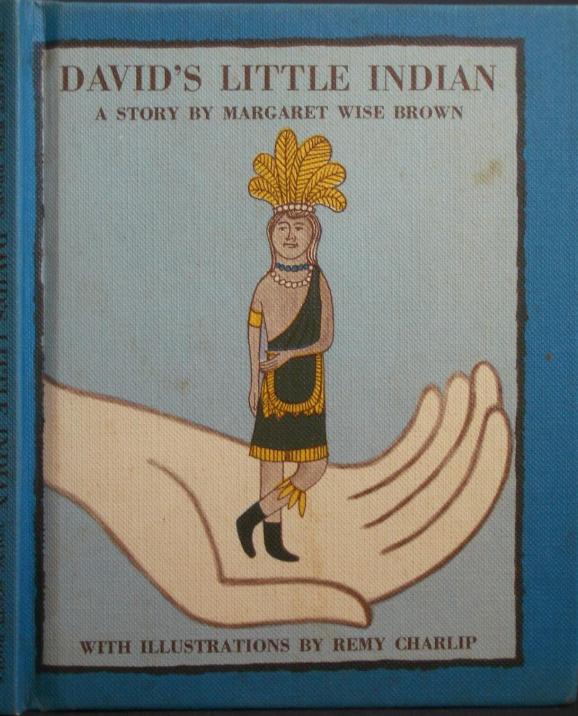
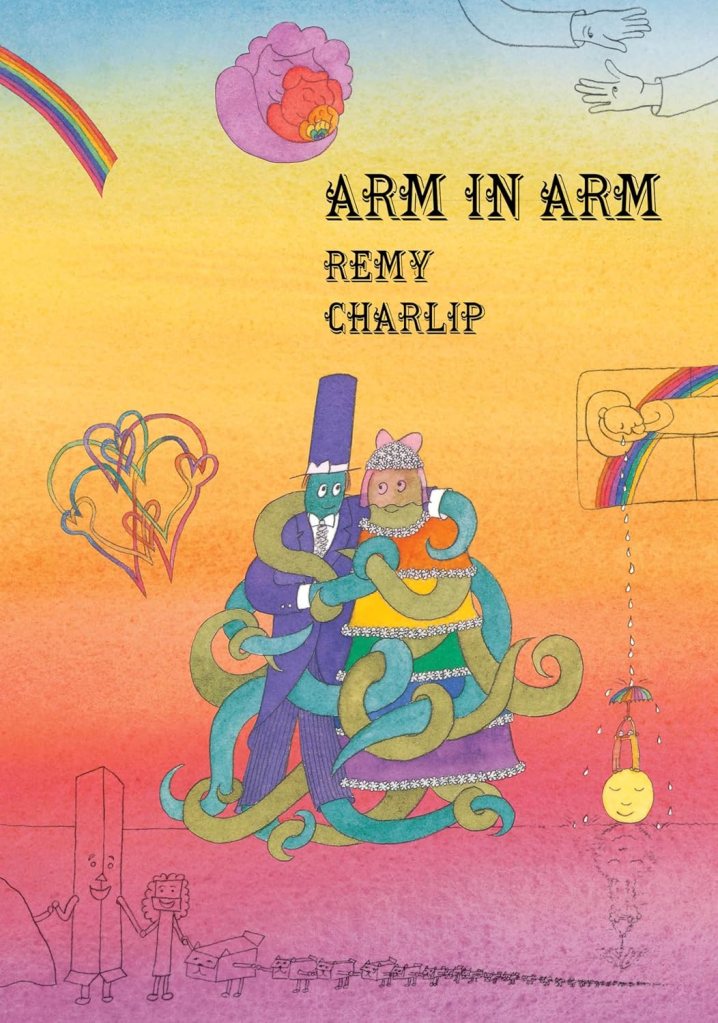
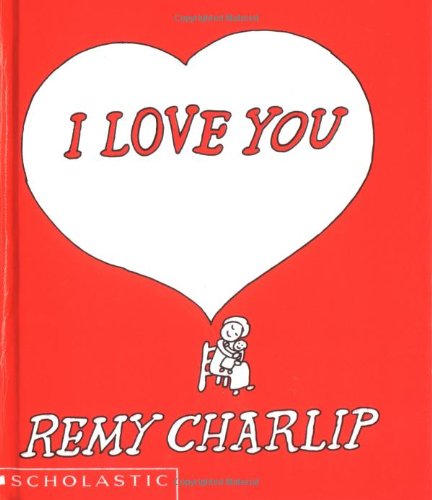
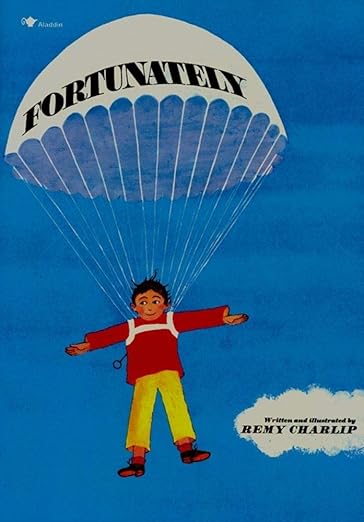
Bio:CHARLlP, REMY
Born January 10, 1929, in the Brownsville section of Brooklyn, New York, where his childhood was spent. Attended Cooper Union, New York; Black Mountain College, Black Mountain, North Carolina; Merce Cunningham School, New York.
Remy Charlip’s work has grown out of the influence of the avant·garde theatre dance of Merce Cunningham and John Gage. As well as dancing in this and other professional dance companies he has designed sets, costumes, posters and handbills. A graduate of the Fine Arts Department of Cooper Union, he decided upon a theatrical career after appearing in a Dadaist play at the Cooper Union Forum Hall. He was given a scholarship in Dance at Reed College in Portland, Oregon, in return for designing sets and costumes, and teaching arts and crafts and painting to children. Continuing his dance training in New York, Mr. Charlip, at the same time, taught design classes at the Whitman School of Interior Design, choreographed dances for The Living Theater, did book jackets and illustrations for magazines, designed textiles and wallpapers, and wrote articles for dance magazines and dance criticism for newspapers. Recently he arranged an exhibit of paintings by dancers. His first book, Dress Up and Let’s Have a Party, was published while he was on a dance tour of the West Coast with Merce Cunningham. Remy Charlip lives in New York City.
REMY CHARLIP January 10, 1929-
AUTHOR AND ILLUSTRATOR OF Arm in Arm, etc.
Autobiographical sketch of Remy Charlip:
I REMEMBER when I was little wanting to be a clown, a farmer, an artist, and a violinist. My mother wouldn’t buy me a violin because she said I would lose interest in it like everything else.
My first taste of glory in relation to art was in kindergarten when I filled up the blackboards with a drawing in colored chalks of an ocean liner with hundreds of portholes, and it was left up for Open School Week.
Two of my pictures were chosen by a gallery for a show of children’s art. One was a version of a tropical scene I was fond of painting: green palms, purple mountains, orange sunset, blue water. The other was a copy of a charcoal drawing I found in the street of a tenement: stoop, window with sickly plant, garbage cans, lurking cats. It interests me now that the fantasy scene was in full color and I felt free to rearrange it whereas the slum scene I knew so well was in black and white and was a direct copy. I was amazed to overhear my father proudly showing his friend a newspaper clipping about the exhibition, for he never showed his pride or love to me. I see now where the confusion stems about receiving love for what I did, rather than what I was. This love was further confused by the fact that I felt both pictures were not really my own or original.
I got my first lesson in originality when a brilliant teacher in a settlement house plopped a lump of clay in front of me and said not to give it form until I had looked at it long enough for something to suggest itself. I poured my soul into that grey lump. When it was finished I brought it home to my family. I called it “The Dead Horse.” It was laughed about for weeks. Was it after incidences like this, where something deeply felt seemed funny to others, that I got the idea to be a clown?
When it came time to choose a high school, my mother came up to see my guidance teacher who was also my French teacher. I wanted to go to farming school. I had a plot of land in a small park and grew carrots, radishes, corn, lettuce and flowers. The Eiffel Tower on display that I had made out of toothpicks influenced the decision. “I think Remy should be an artist,” my mother said. “It’s more practical.”
I graduated from the Fine Arts department of Cooper Union, but being a painter seemed hopeless to me. I thought I didn’t have any meaningful ideas worth expressing. I didn’t yet know how to use the lesson of the lump of clay, nor did I know how a work of art can grow from the seed of feeling, no matter how slight or delicate and that it could be “worthwhile” even when humorous and uncomplicated.
So I started to study dancing to try to get away from “ideas” by experiencing things more physically. I danced in Merce Cunningham’s company for eleven years and was a founder of the Paper Bag Players, atheater for children. Since we made little money performing I supported myself doing costume, set, poster, textile and book-jacket designs.
One day I had an appointment with May Garelick, editor at Young Scott. She forgot she had a wedding party that weekend and was at the hairdresser’s. I waited and waited, finally asked for a blank dummy, filled it with pictures and text, and when she returned she bought it, my first children’s book, Dress Up and Let’s Have a Party.
I have just finished my nineteenth book, Arm in Arm, and it is my favorite. I have enjoyed collaborating on books with Margaret Wise Brown, Ruth Krauss, Judith Martin, Betty Miles, Sandol Stoddard Warburg and Burton Supree and I think all are good books. But Arm in Arm is special, a kind of culmination of all that I have been doing: painting, writing, dancing, choreographing, teaching, film-making, directing. And yet too, I feel it is only a beginning.
Remy Charlip is head of the Children’s Theatre and Literature Department at Sarah Lawrence College. He is on the advisory panel of the Connecticut Commission on the Arts’ “Project Create,” the Brooklyn Children’s Museum’s “Muse” and the Judson Poets’ Theatre and Dance Theatre. He has been consultant and lecturer at a number of educational institutions, including New York University, Bank Street School of Education, Mills College, The New School, and the School of Visual Arts. He received the Ingram Merrill award in 1961 and 1963 for the “experimentation, creation, and development of children’s plays and children’s literature.” In 1966 he won the “Obie” (OffBroadway) Award for the direction of A Beautiful Day, by Ruth Krauss, and he received a ’68-’69 Yale-Joseph E. Levine Grant. He won a Boys’ Clubs of America Junior Book Award in 1967 for Mother, Mother, I Feel Sick …. A number of his works have appeared in exhibitions of the American Institute of Graphic Arts.
The Remy Charlip Library of the Greenville (Delaware) Elementary School houses a collection of his paintings, drawings, dum-
Remy Charlip: REH [not ray] mee SHAH lip
Links: http://www.harpercollins.com/authors/11918/Remy_Charlip/index.aspx
Titles:
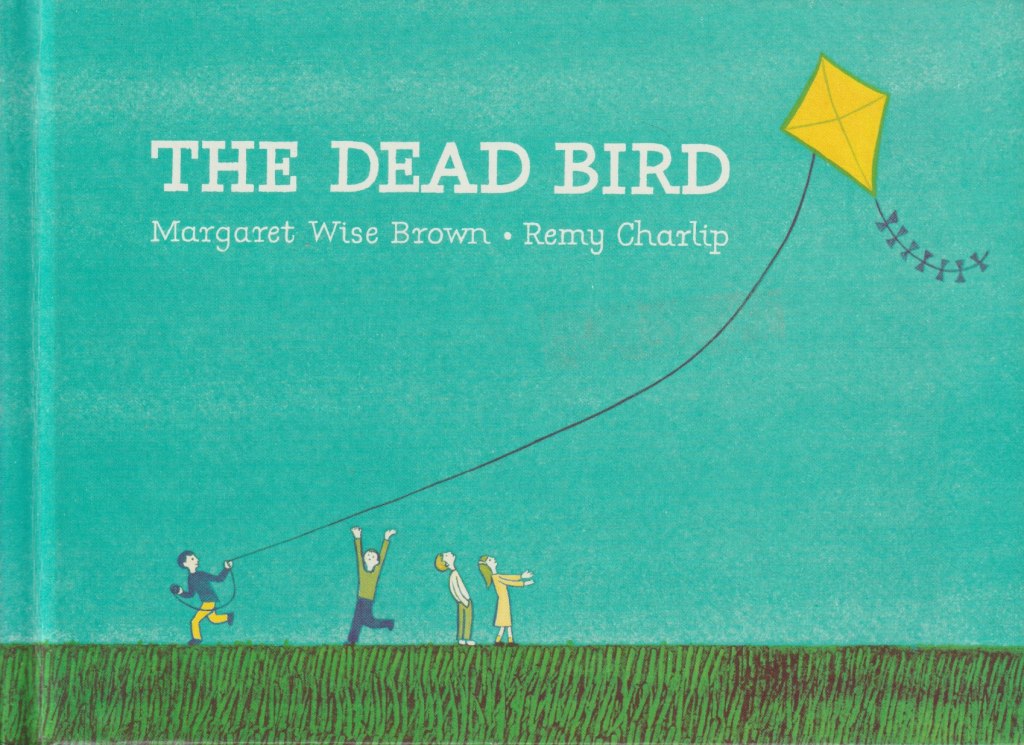
THE DEAD BIRD
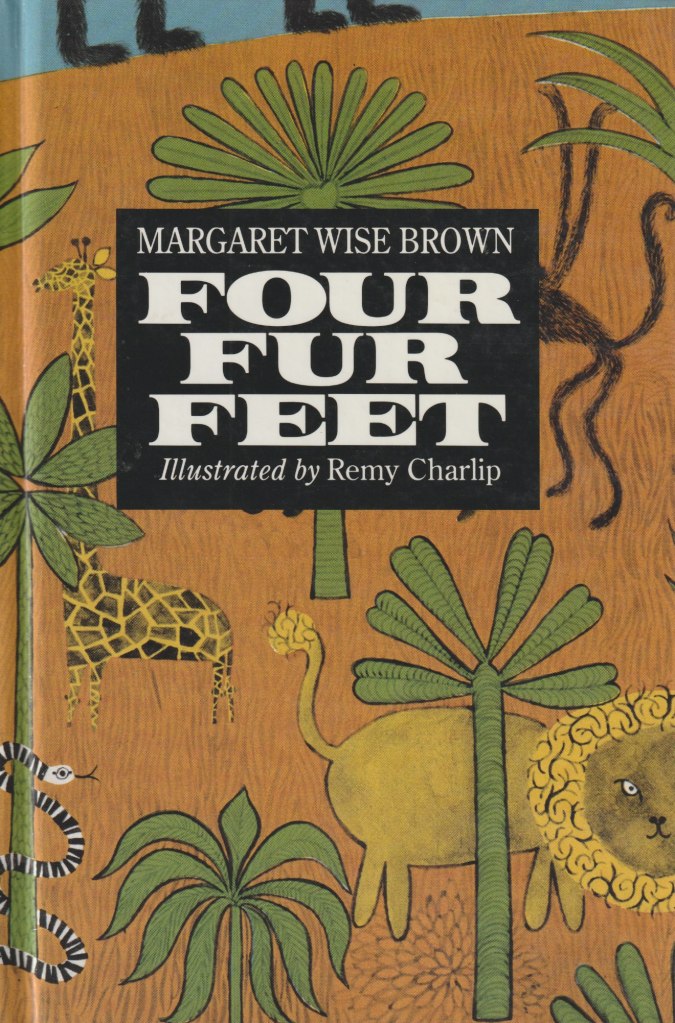
FOUR FUR FEET
DAVID’S LITTLE INDIAN
ARM IN ARM
I LOVE YOU
FORTUNATELY
Bio:CHARLOT, JEAN *
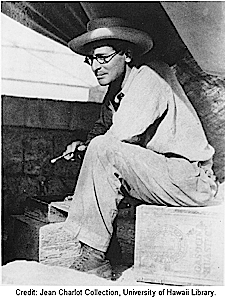
Born in 1898 in Paris where his childhood was spent.
JEAN CHARLOT
Feb 8, 1898 – March 20, 1979
https://en.wikipedia.org/wiki/Jean_Charlot

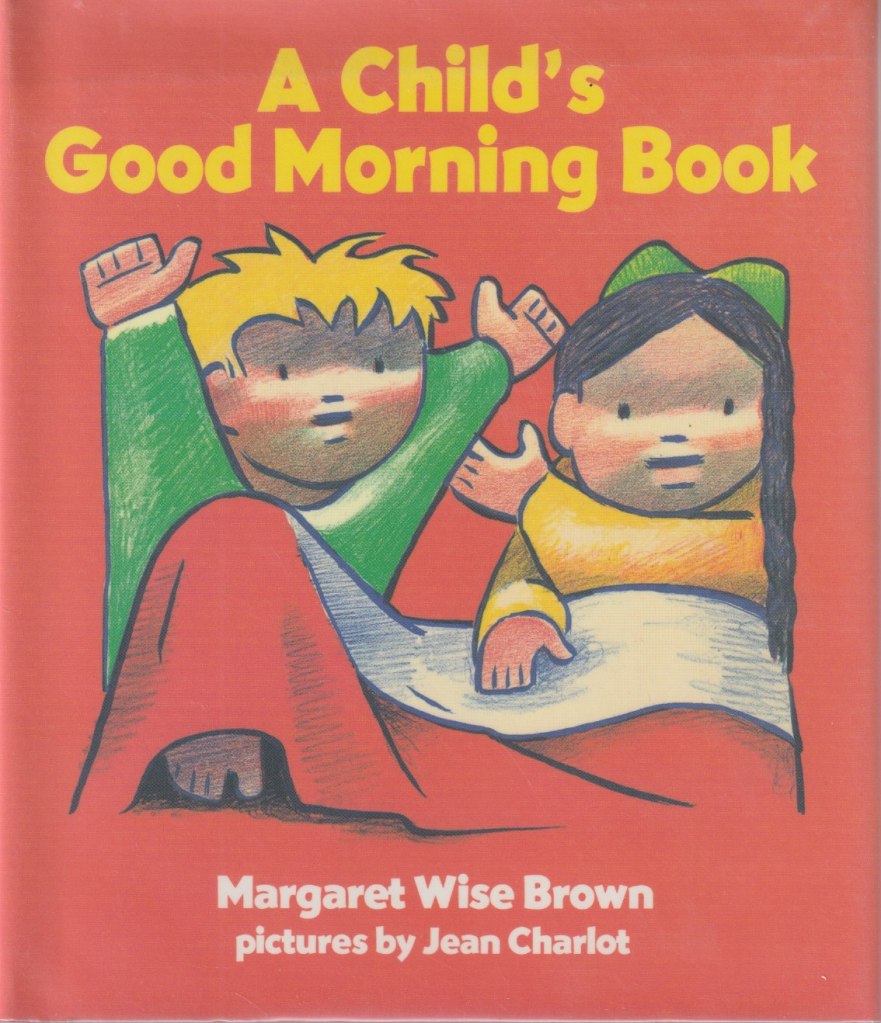
A CHILD’S GOOD MORNING BOOK
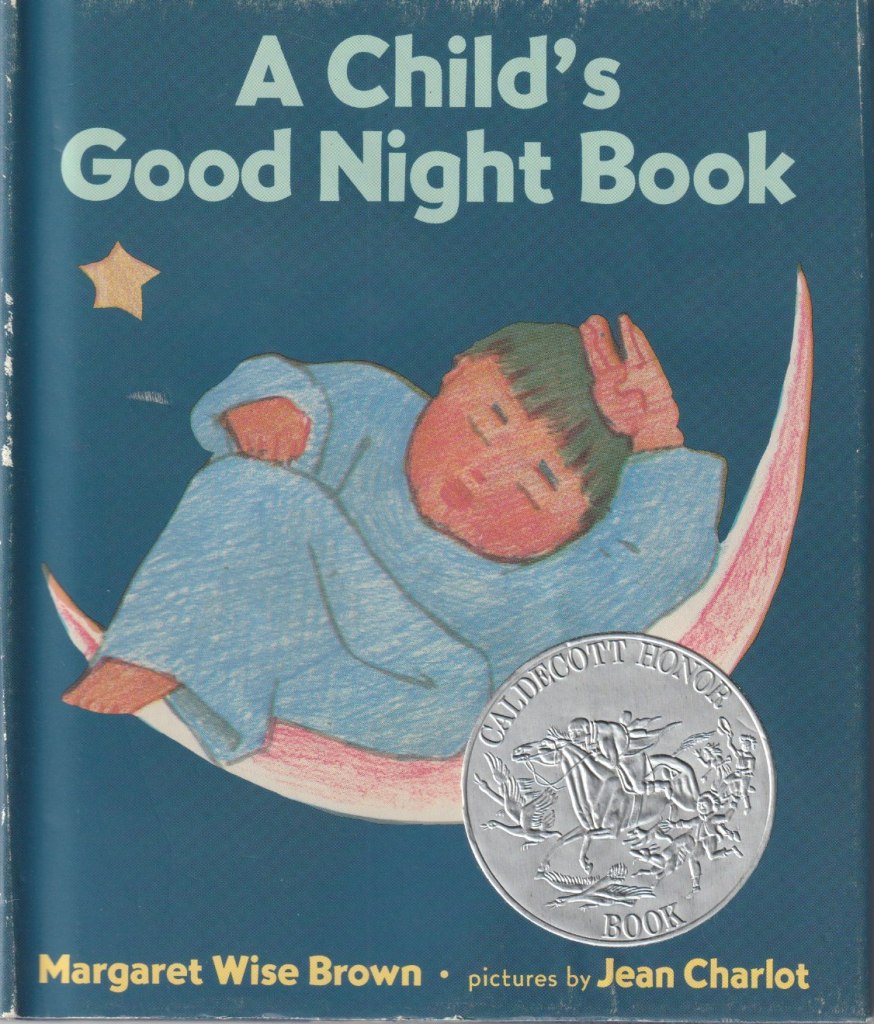
A CHILD’S GOOD NIGHT BOOK
FOX EYES
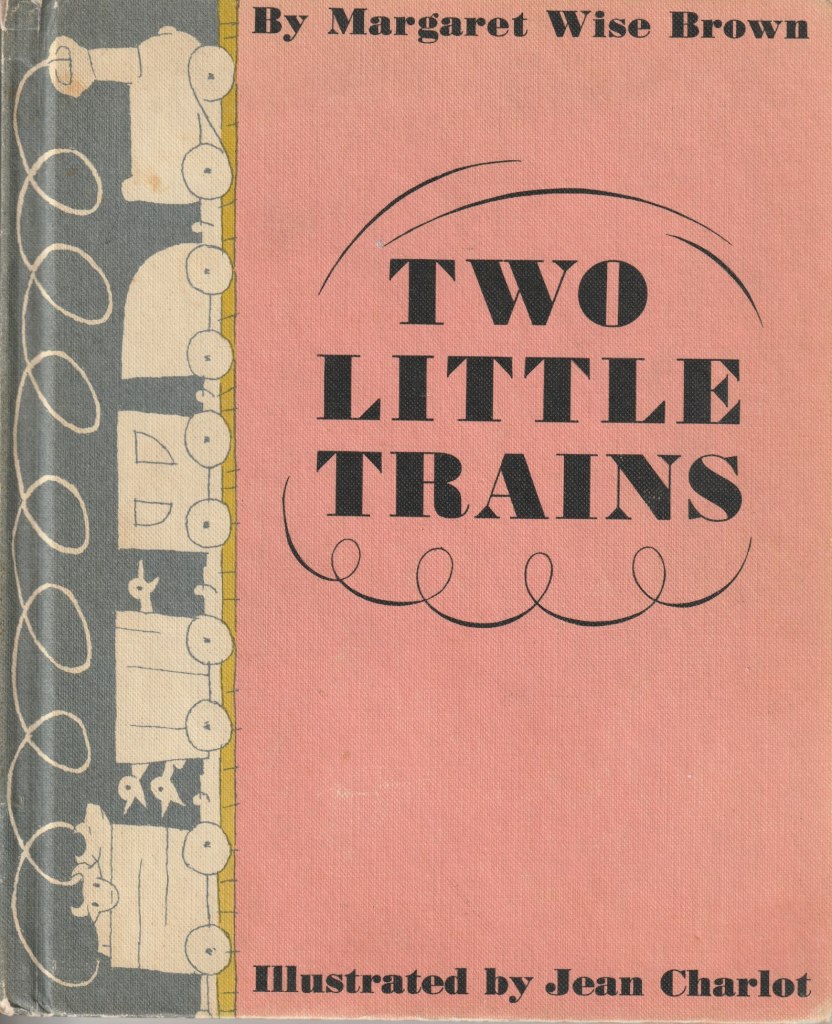
TWO LITTLE TRAINS
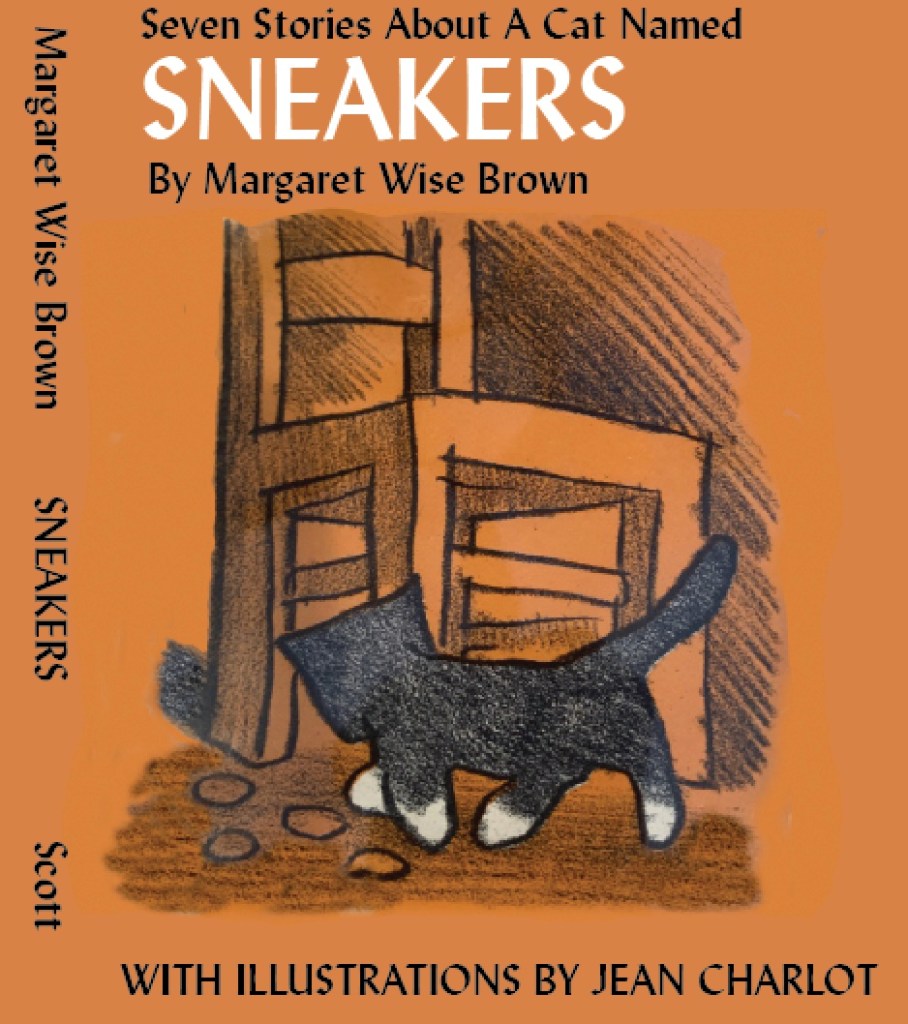
SNEAKERS
Bio:CHARLOT, JEAN *
Born in 1898 in Paris where his childhood was spent.
An American citizen born in France, Jean Charlot is nevertheless known to critics as ” that great Mexican artist” because of his murals at the University of Mexico, frescoes at the Ministry of Education in Mexico City, and various writings on Mexican art and archeology. Of Mexican descent on his mother’s side, he did not, however, go to Mexico until he was twenty-two. At sixteen he was fighting for the life of Paris in World War I and later commanded a Colonial Division fighting in France. During World War II he was code officer with one of the French commissions stationed in New York. His career as an artist began in Mexico in 1921. He has been associated as an artist with Dr. Silvanus Morley, director of Carnegie excavations at Chichen Itza in Yucatan; and he has been instructor of art in the Art Students League, Chouinard
Art Institute, and Florence Cane School, New York. In addition to his mural work, canvas painting, and teaching, his time is filled with writing, lecturing, archeological research, book illustration and the perfecting of a new process of lithograph printing. In the United States he has depicted the life of St. Brigid for a church in Peapack, New Jersey; has made two small frescoes for the University of Iowa, a large mural on the outside facade of the Fine Arts Building of Georgia University; and other murals at the Des Moines (Iowa) Art Center, Notre Dame University, St. Mary’s College, Indiana, Christ the Good Shepherd Church, Lincoln Park, Michigan; and the University of Hawaii, Honolulu, and the Bishop Bank, Waikiki. His easel paintings are in the Rockefeller Collection, Phillips Memorial Gallery, and Museum of Modern Art, New York; Uffizi Galleries, Florence; and in the Mayer Mounksko and Claudel Galleries, Paris. His early book illustrations include those done for Melchor G. Ferrer’s Tito’s Hats, 1940, Anita Brenner’s Boy Who Could Do Anything, 1942, and Margaret Wise Brown’s Child’s Goodnight Book, 1943. Books which won the Newbery Medal in two successive years were illustrated by Mr. Charlot: Secret of the Andes by Ann Nolan Clark in 1953, and And Now Miguel by Joseph Krumgold in 1954· Jean Charlot has received a Guggenheim Fellowship to work on a history of Mexican mural painting, and two honorary degrees: D.F.A. from Grinnell College, Iowa, 1946; and LL.D. from St. Mary’s College, Indiana, 1956. He gave the Ryerson Lectures at Yale University, on Mexican Art, in 1948. He is now Professor of Art at the University of Hawaii in Honolulu.
Jean Charlot 1898-ILLUSTRATOR OFA Child’s Good Night; A Child’s Good Morning; Two Little Trains; … And Now Miguel; Etc.Autobiographical sketch of Jean Charlot:
MY training as an artist happened in Mexico, in fields only remotely related to children’s book illustration, archaeology and mural painting. In the twenties, I worked for the Carnegie Institution of Washington’ in the ruins of Chichen Itza, in Yucatan, copying the bas-reliefs of haughty warriors and plumed serpents. In Mexico City, I did frescoes on the walls of public buildings, in the rather heroic manner that is the trademark of what came to be known as the Mexican mural renaissance.I heard many a story from the lips of my Indian friends, stories meant for the young, but somewhat frightening by American standards, if not by the sturdier ones of Mother Goose. Mexican tales were full of peculiar creatures, prompt to devour delinquent little boys and girls; nahuaques, or sorcerers, could at will become wolves, or rare birds of prey.
My first illustrations published in the United States were for such oft-heard tales. The Sun, The Moon, and a Rabbit, in line and flat color, had a cool reception. Consensus was that its barbaric flavor was expected of Mexico but that American publishers would not stand for such crudities. That was in 1930 and since then crudity of a sort has become synonymous with sophistication.
To be tagged and pigeonholed by the book trade was another surprise. Not unagreeably, I became the fellow to contact when the story was about brown people, regardless of what country they came from. This enlarged my knowledge of geography. Dog fights and love feasts with authors and publishers have enlarged my knowledge of psychology. For stern criticism, there have been my four children, truly zealous to point to their father’s shortcomings. As they grow up and enter their teens, something they are doing now with gusto, I may have to curtail my career as a children’s books illustrator, and switch to the field of adult books.
A well-known muralist, born in Paris, Mr. Charlot has, since 1929, taught and lectured on art throughout the United States. He now lives in Honolulu where he is Senior Professor of Art at the University of Hawaii.
Jean Charlot: ZHAN shar LO
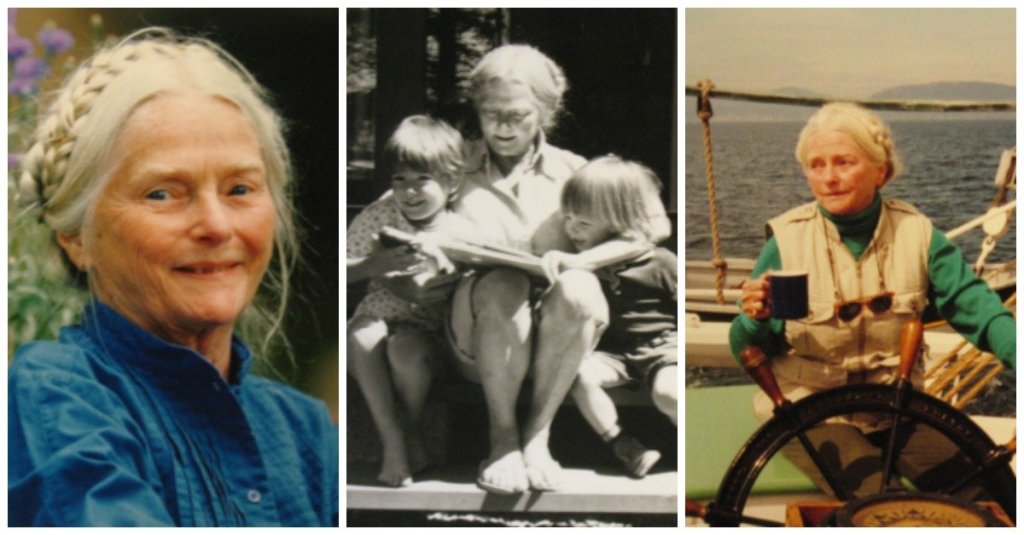
BARBARA COONEY
August 6. 1917 – March 10, 2000
https://en.wikipedia.org/wiki/Barbara_Cooney
Bio:COONEY, BARBARA·
Born August 6, 1917, in Brooklyn, New York. Childhood was spent on Long Island where she attended Great Neck Preparatory School. Also attended BriarcIi£l School; Smith CoIIege; Art Students League, New York.
“My father was a stockbroker, my mother painted pictures for fun; so her children did too, and that’s how it all began,” writes Barbara Cooney. ” We lived in a suburb of New York and went to school there. Summers were spent in Maine. After boarding school and college I trudged around New York City with my portfolio. Then I began to write books for myself so I could draw the sort of pictures I wanted. At the Art Students League I learned etching and lithography.” In 1940 appeared Bertie Malmberg’s Ake and His World with Miss Cooney’s illustrations, and in 1941 the first of her own books, King of Wreck Island. “In the summer of 1942 I joined the W AAC, and later in that year married Guy Murchie, Jr., war correspondent and author.” For a while the Murchies with their small daughter lived in Belchertown, Massachusetts, on a co-operative farming venture. Later they bought a farm in Pepperell, Massachusetts, where they ran a children’s camp in the summers. In 1947, after divorcing Guy Murchie, Jr., Barbara Cooney went with her daughter and son to live in Waldoboro, Maine, and later in Acton, Massachusetts. In July, 1949, she married Dr. Charles Talbot Porter and returned to live in Pepperell where her husband has a general practice. She now has another son and daughter: Charles and Phoebe Ann. In the past eleven years Barbara Cooney has done illustrations for various magazines and anthologies and has illustrated thirty-five books.
Barbara Cooney 1917-ILUSTRATOR OF
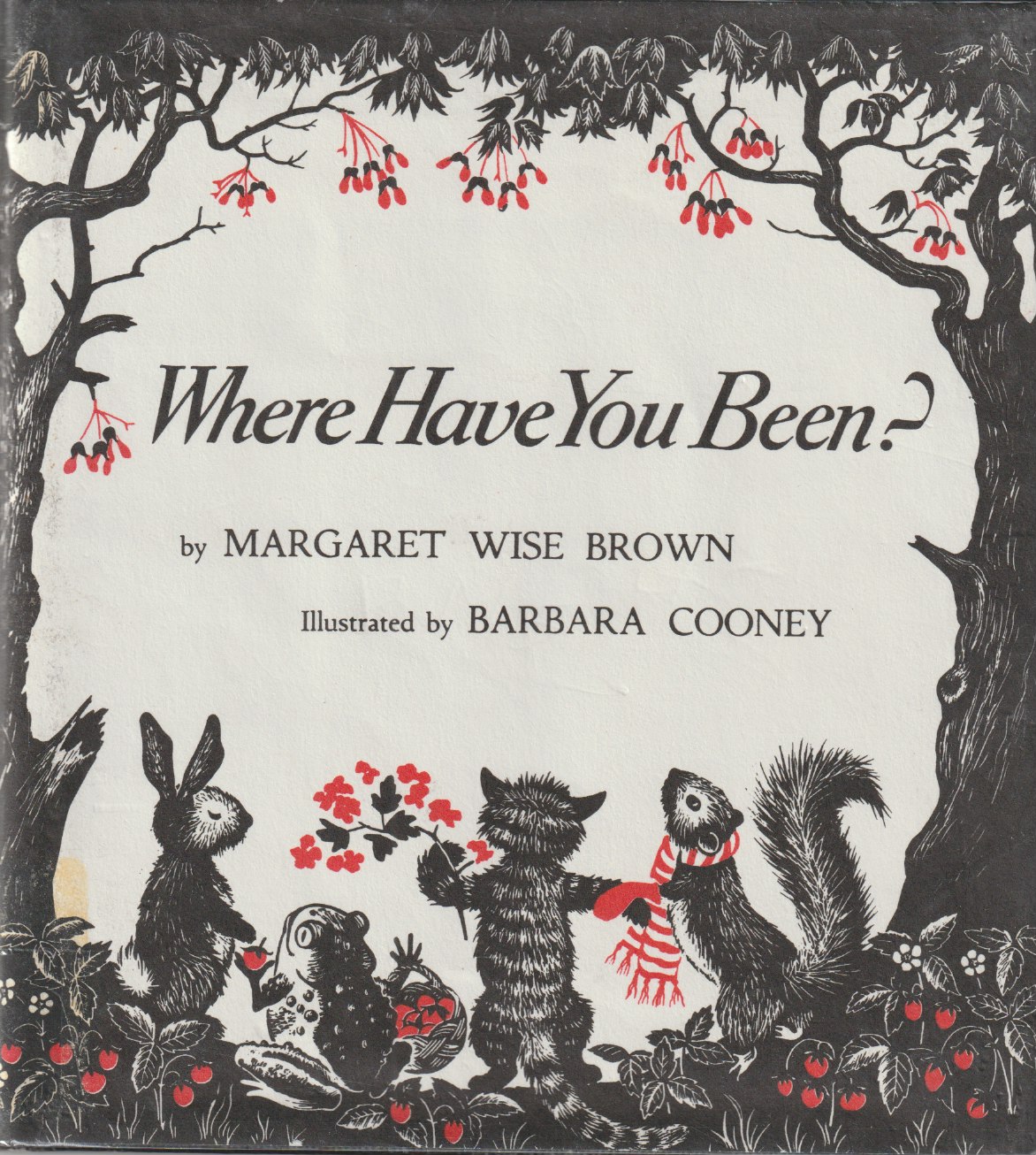
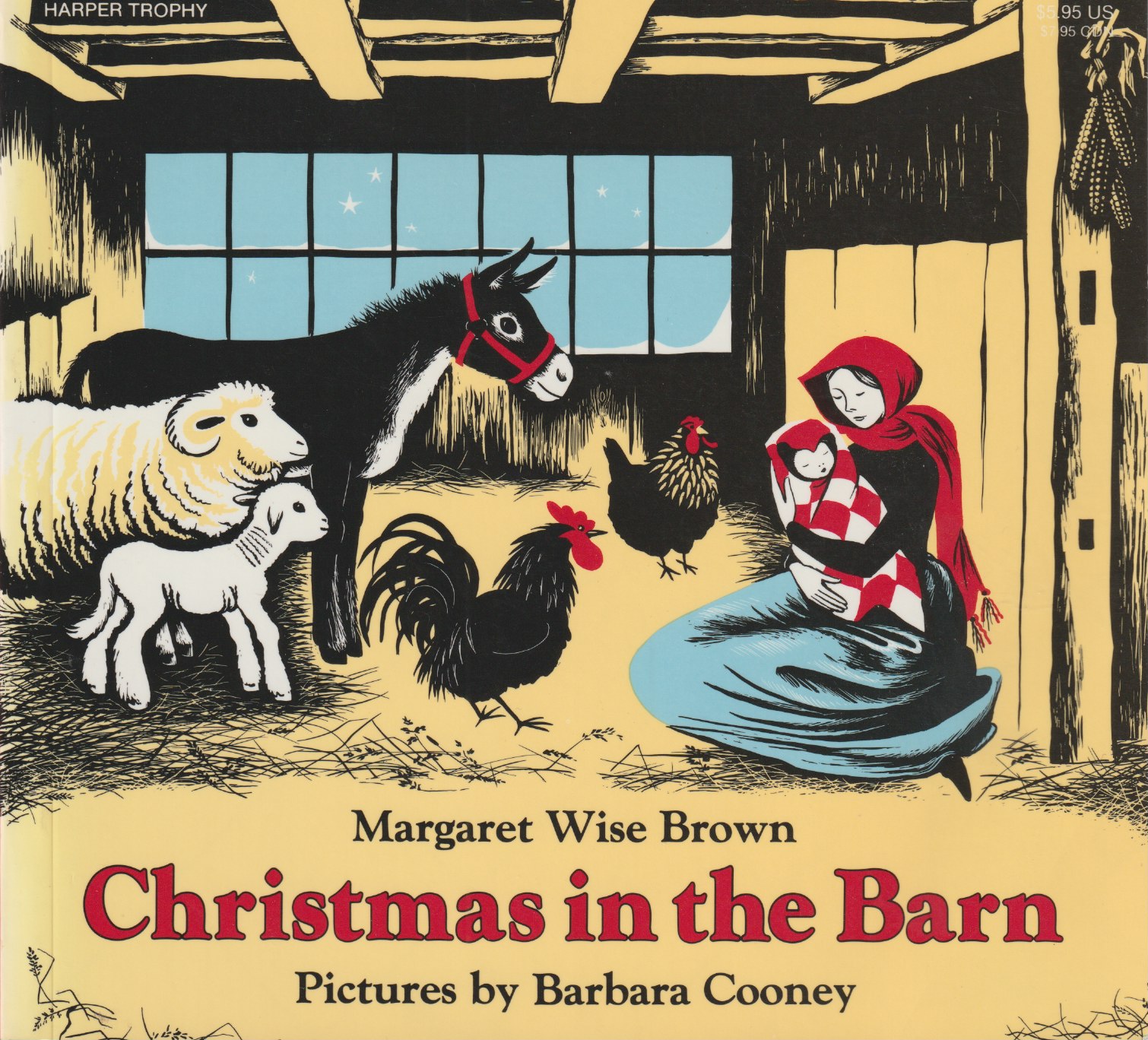
Chanticleer and the Fox; Christmas in the Barn; Peter’s Long Walk; Where Have You Been? Etc.
Autobiographical sketch of Barbara Cooney:
MY twin brother and I were born in
Brooklyn, New York, where we lived for two weeks. Along with two younger brothers, we were brought up on Long Island during the school year and in Maine during the summer. The latter is still Mecca for .all of us, and we return each year if we are able.
My father was a stockbroker, but my mother was an artist. That I too\ am an artist is largely due to the tubes o~ paint, brushes, paper and other art suppIt~s that were always available to my mother chil-dren. As far back as I can remember, I could always entertain myself by drawing pictures. I continued to do so during my school and college (Smith ’38) years. Later I studied lithography and etching at the Art Students League in New York City.
At about this time I began illustrating and haven’t stopped since. With one exception: when my brothers joined the Army during World War II, I joined the WAC. During this period I married Guy Murchie, with whom I had two children, a girl named Gretel and a boy named Barnaby. I am now the wife of Dr. C. Talbot Porter, a general practitioner in Pepperell, Massachusetts. Two more children have been added to the family: Talbot Jr., and Phoebe. We live in a rambling old house surrounded by broad lawns, tall trees and gardens. I couldn’t ask for a pleasanter ivory tower. Possibly the term ivory tower is incorrect, for ivory tower doesn’t generally connote hustle and bustle, which this house is full of.
I am now working on my fiftieth book.
My being an illustrator is a highly satisfactory arrangement for me. Wives of country doctors catch only fleeting glimpses of their husbands. But I can be busy and happy working, still see my children even though I’m a “working mother,” and be right on hand when my husband returns at night.
Although I am probably something of a romantic, I am quite realistic. I draw only the things I know about. Indeed, I am unable to draw any other way. I am always as truthful as I can possibly be. I draw from life whenever possible, and do not invent facts or “suggest” with a vague line something I am not sure about. In spite of this, my pictures don’t look realistic; they always look like me, which bothers me. However, they are the truth-as I see it-and my attempt to communicate about the things that matter to me.
Links:
http://www.lib.usm.edu/~degrum/html/research/findaids/cooney.htm
http://www.carolhurst.com/authors/bcooney.html
http://www.cooney.pagebooks.net/
Titles:
WHERE HAVE YOU BEEN
CHRISTMAS IN THE BARN
LITTLE FIR TREE
AWAY WE GO
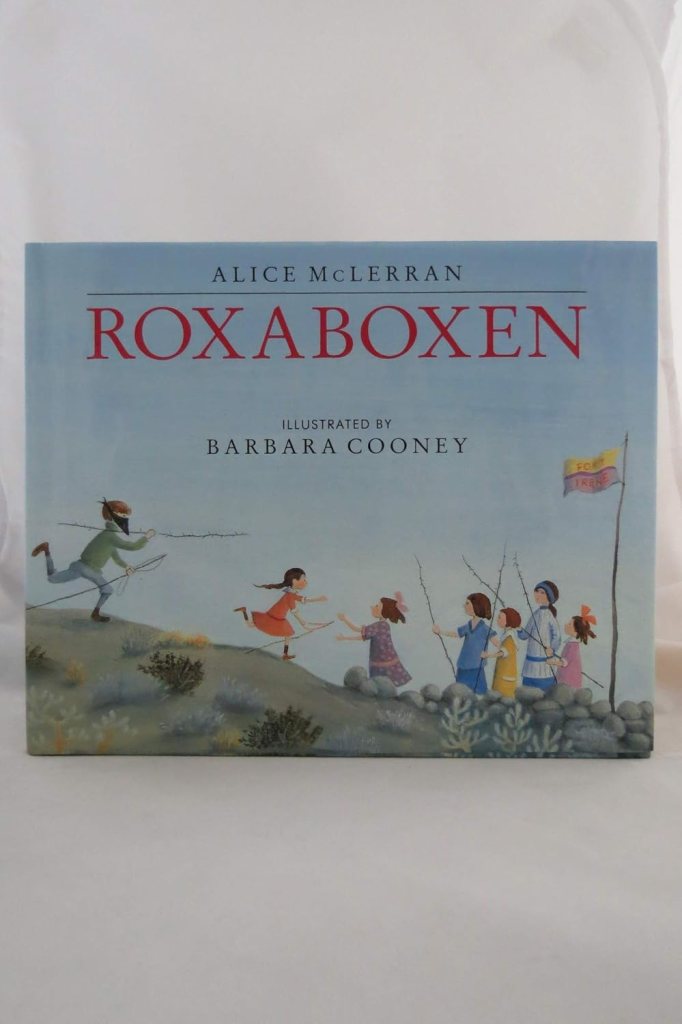
ROX A BOXEN
OX CART MAN
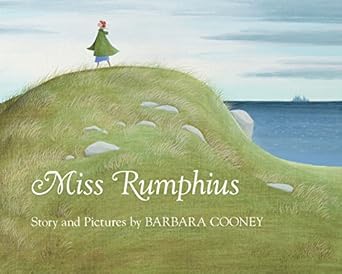
MISS RUMPHIUS
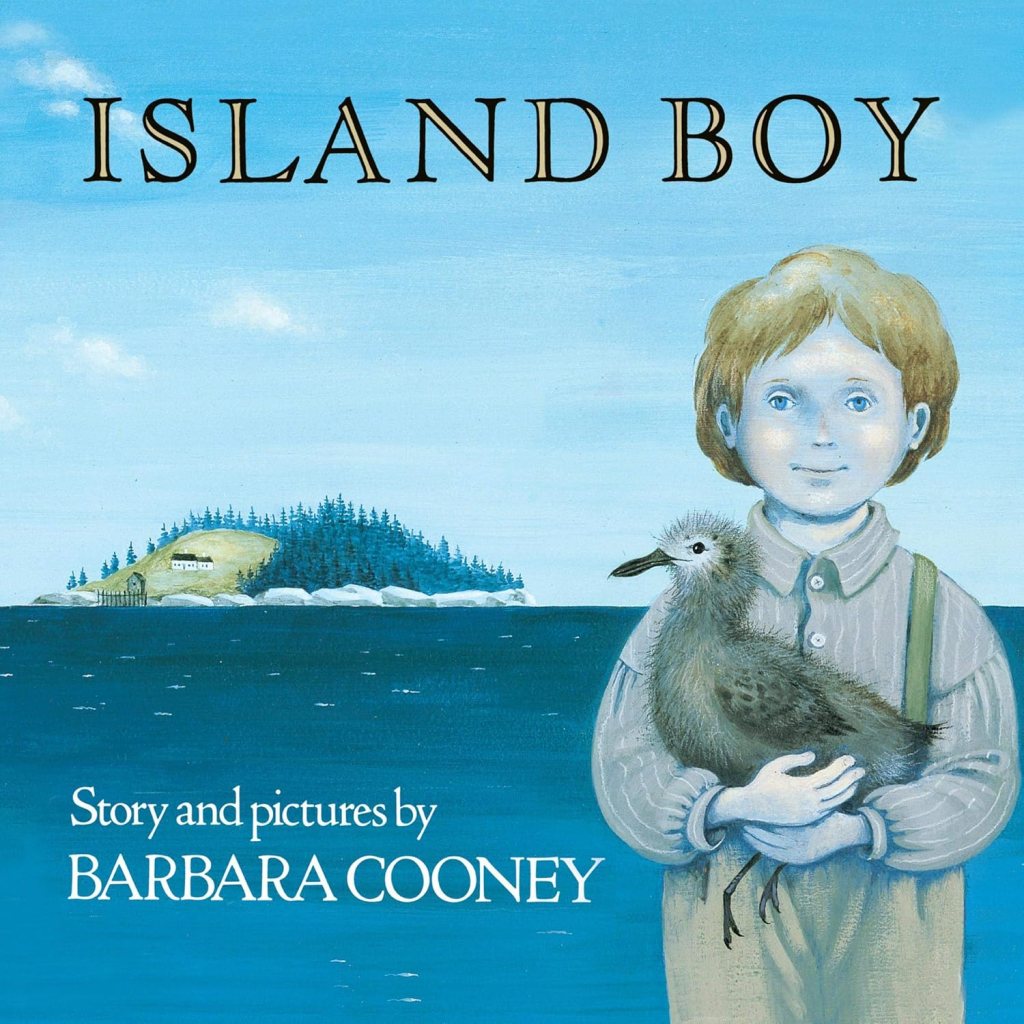
ISLAND BOY

ROBERT DE VEYRAC
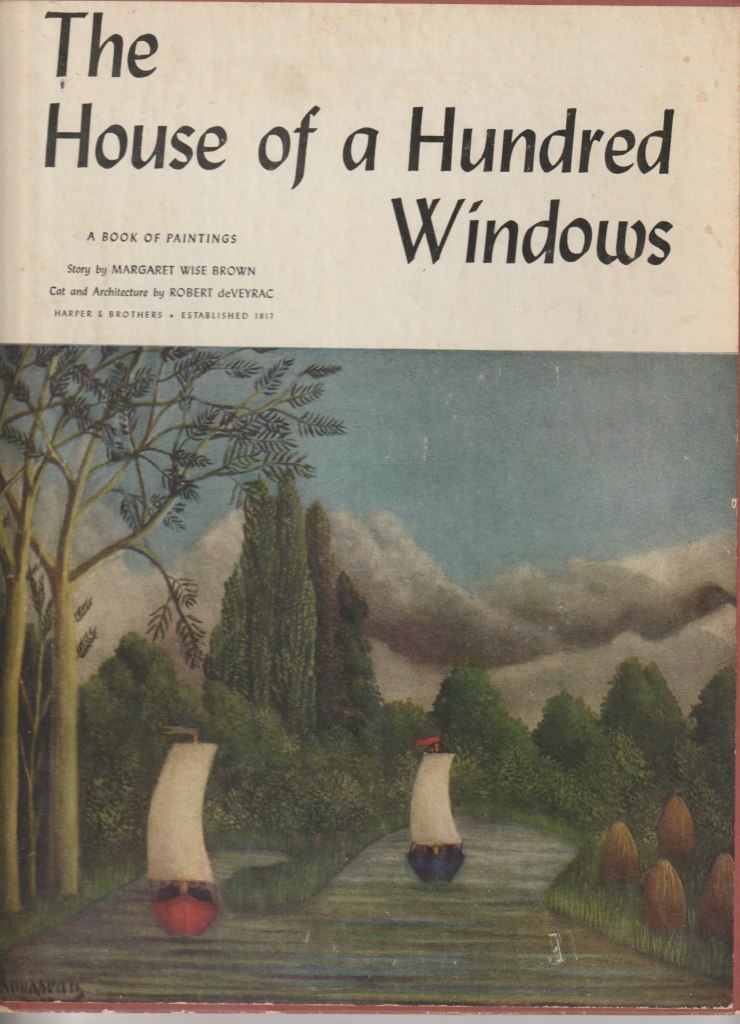
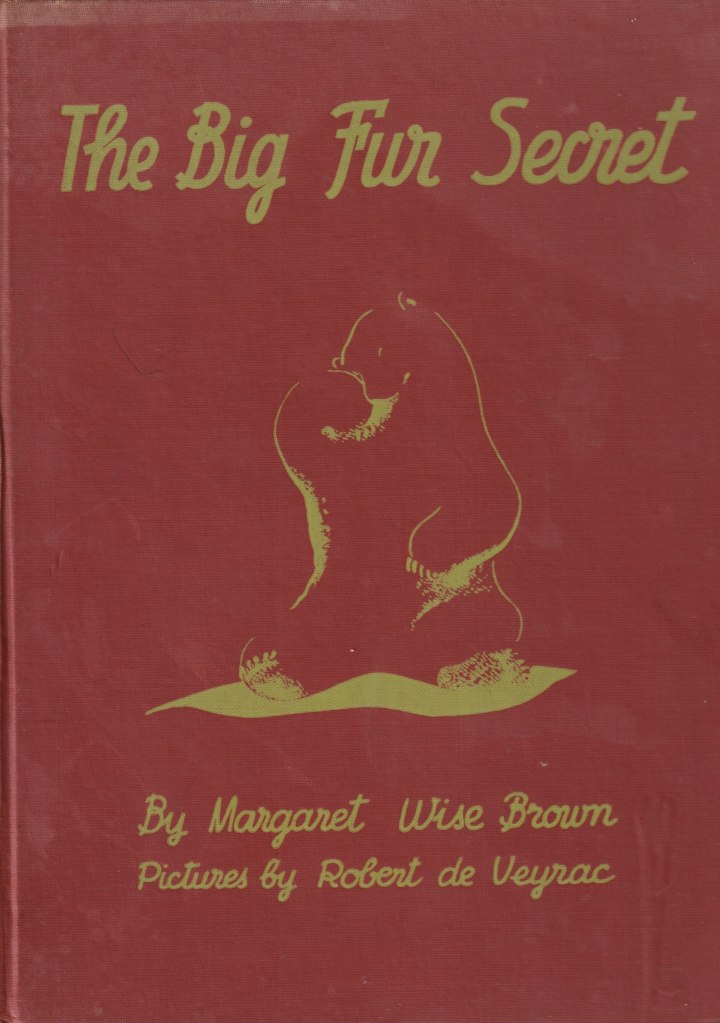
Robert was an Architect and friend of MWB’s and these are the only children’s books he illustrated. I haven’t been able to find any other information about him.


 MARGARET WISE BROWN ARCHIVE