AARON FINE
I have found very little about Mr Fine. It looks as if he was a prolific illustrator of Travel posters and got a contract with Pan Am as well as a few other children’s books.
He was a friend of Andy Warhol, and that he died of cancer in 1962.


TlBOR GERGELY
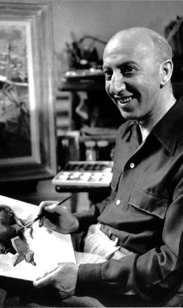
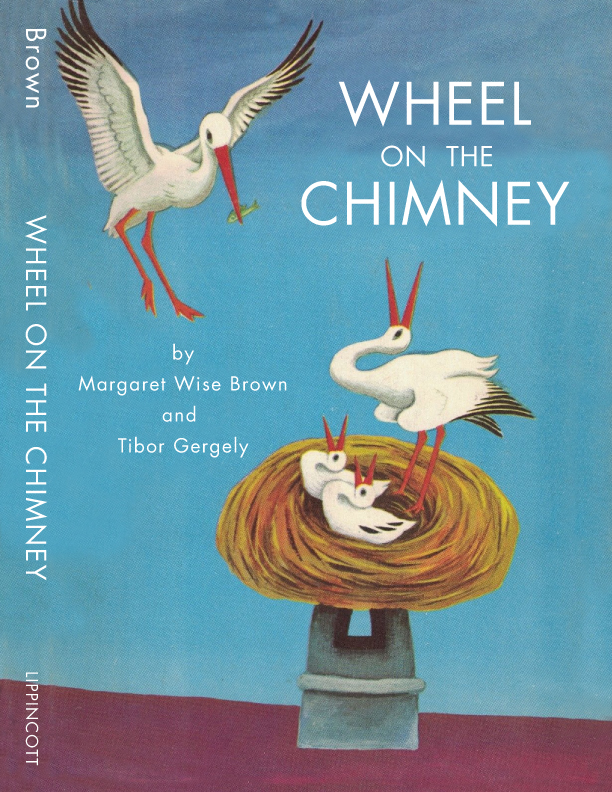
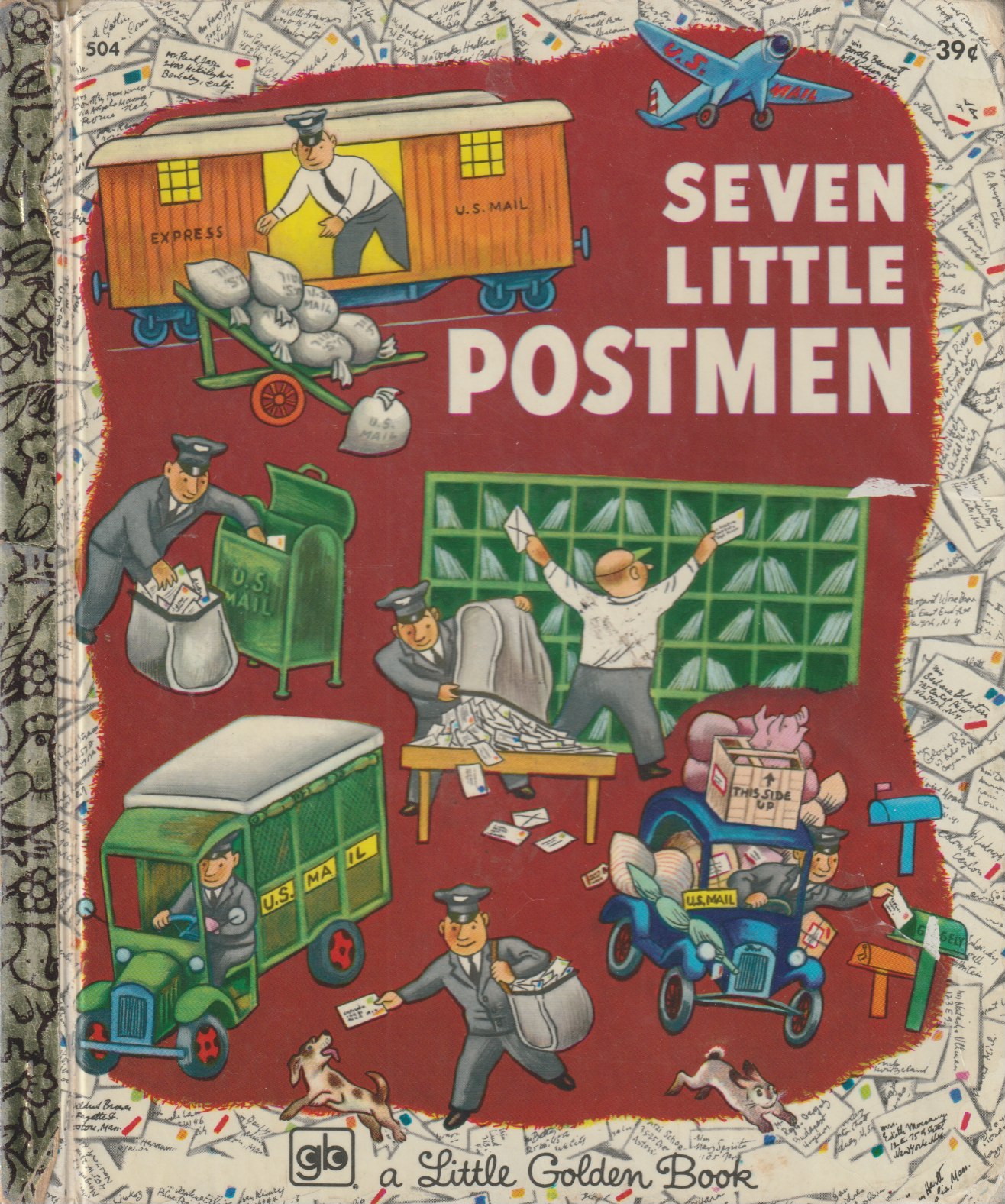
August 3, 1900 – Jan 13, 1978
https://en.wikipedia.org/wiki/Tibor_Gergely
ROSELLA HARTMAN
1894 – 1993
Rosella Hartman (1894-1993) A fine American painter, etcher and lithographer, Rosella Hartman studied at the Art Institute of Chicago and at the Art Students League of New York. Beginning her career primarily as a painter, Rosella Hartman exhibited her work throughout the 1920’s in New York, Boston and Washington.
CLEMENT HURD
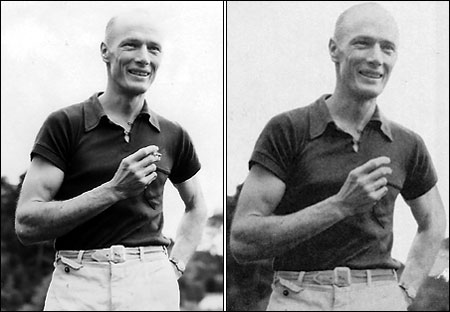
Jan 12,1908 – Feb 5, 1988
https://en.wikipedia.org/wiki/Clement_Hurd
HURD, CLEMENT *
Born 1908, in New York. Childhood was spent there and in Locust, New Jersey. Attended St. Paul’s School, Yale College, and Yale Architectural School. Also studied painting in Paris for two years, chiefly in Leger’s studio.
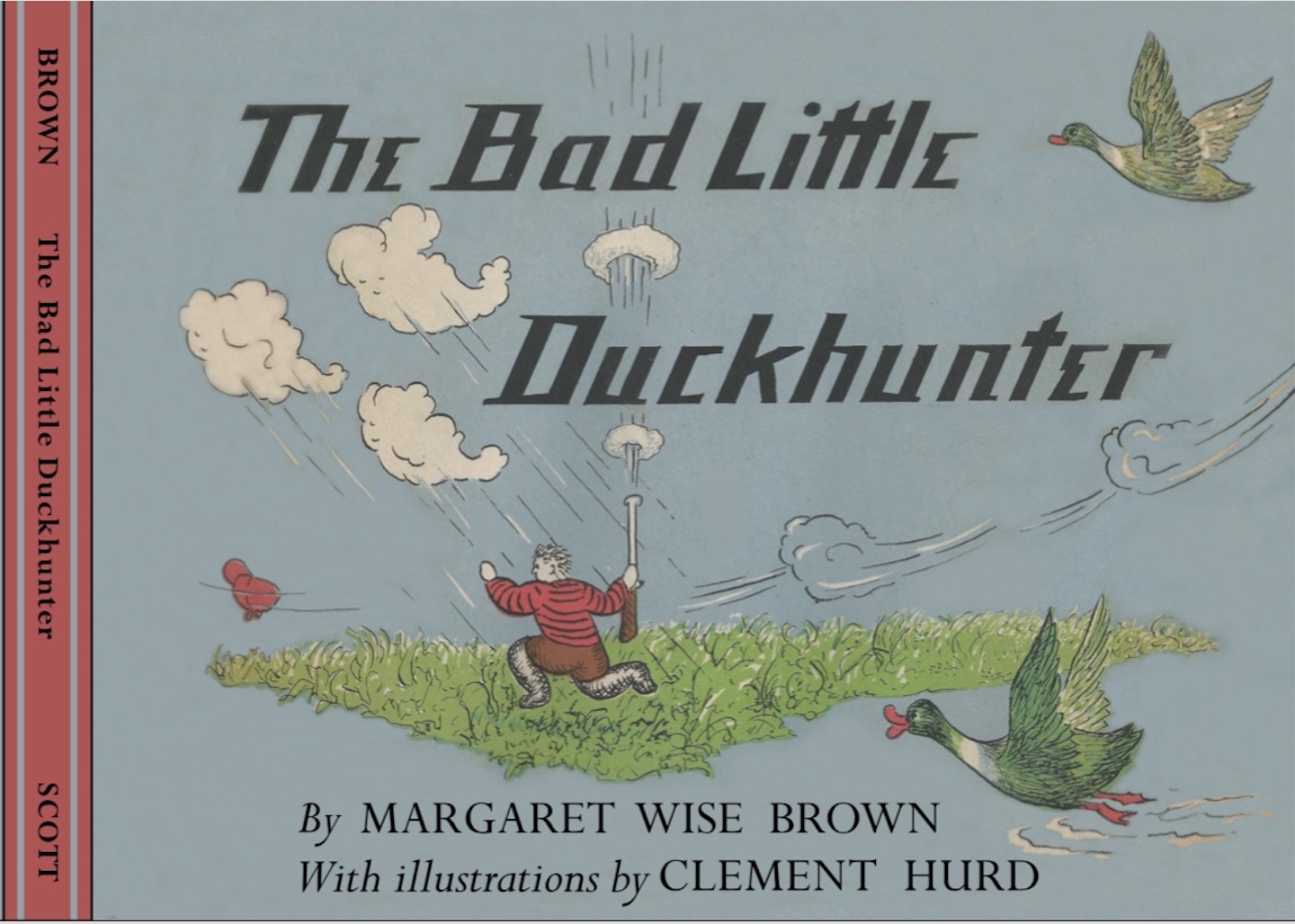
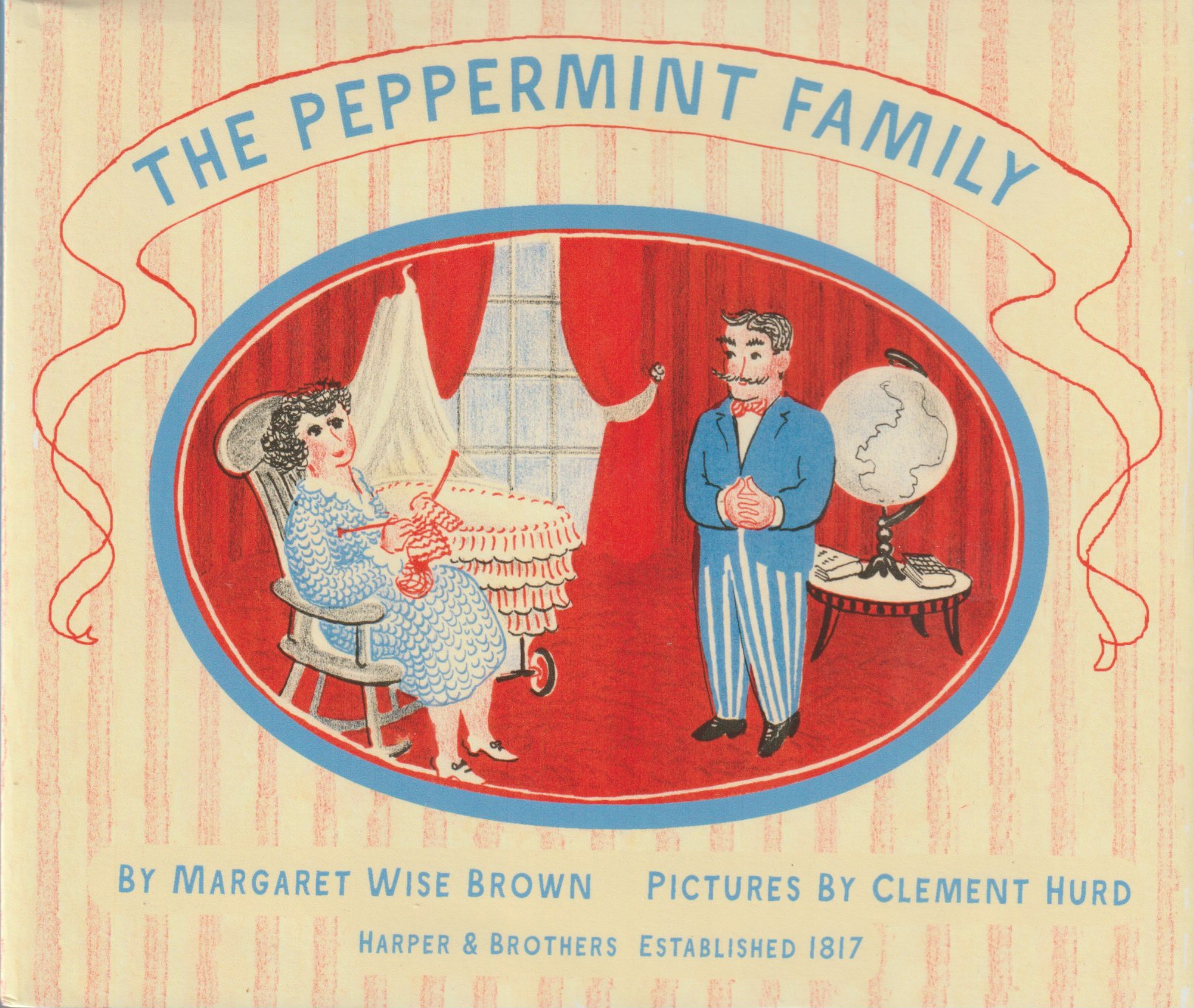
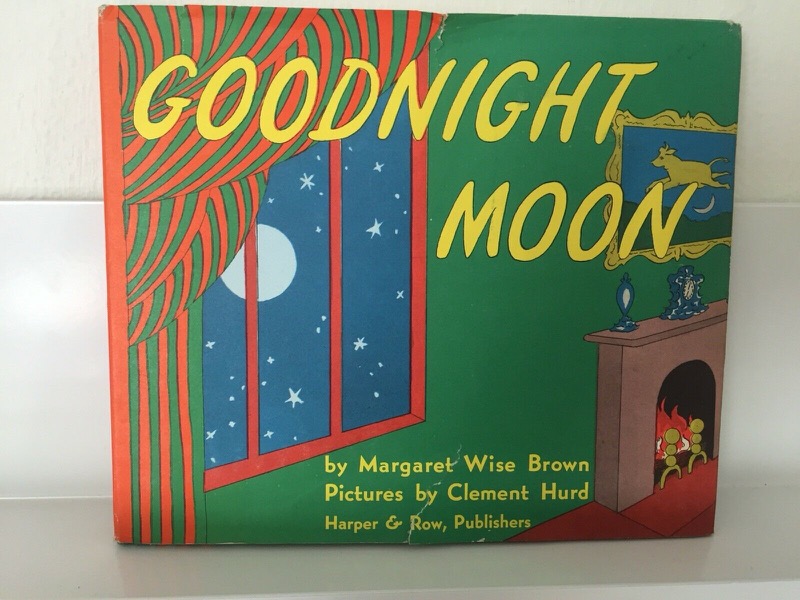
Upon his return to the United States, Clement Hurd devoted himself to mural painting and designing. His first illustrating for a child’s book was done for Gertrude Stein’s The World is Round, published in 1939. William R. Scott had asked Miss Stein to write a children’s book for them. Upon receipt of this manuscript, they invited several artists to submit drawings which were sent to Paris for Miss Stein’s choice. She selected those of Clement Hurd. Since that time he has worked almost entirely for children’s books. Mr. Hurd joined the Army Air Force in 1941 to do camouflage, but switched eventually to Emergency Rescue, and from that went into Education and Intelligence work. After the War he and his wife, Edith Thacher Hurd, spent most of their time for several years on their farm in Vermont, ” until the winters seemed to grow longer and harder and we found ourselves looking for reasons to get away from them.” They spent the winter of 1950-51 and the spring of 1952 in Williamsburg, Virginia, doing two children’s books on the Restoration. The next two winters they divided between Los Gatos, California, and North Ferrisburg, Vermont. In 1954, when their son had reached school age, they moved permanently to Mill Valley, California. Clement Hurd has illustrated thirty-three children’s books, eighteen of which were written by Mrs. Hurd, seven by Margaret Wise Brown, and five by himself.
CLEMENT AND EDITH THACHER HURD
puses, and even foreign Lotharios that pinched under water.
Margaret Wise Brown saw some of the studies for these “Perils” and suggested that I try my hand at illustrating for children. At that time she was acting as editor for the publisher William R. Scott and just getting into high gear in her own writing. My first book was Bumble Bugs and Elephants, which was said to be the youngest book then in existence. The next year I won a very informal competition to illustrate Gertrude Stein’s only published book for children, The World Is Round. All the illustrators who were working for the Scotts at that time wanted the privilege of illustrating this book. It was decided therefore that sample illustrations should be sent to Miss Stein in Paris. Fortunately she chose minel Fortunately not only for the privilege of doing the work but also because the advance helped to finance my marriage to Edith Thacher in June 1939.
Since then I have illustrated more than thirty books, the majority of which have been written by my wife. I have also been active in the decorative arts and painting. However, the illustration of children’s books has been the major line except for the three years that I spent in the South Pacific trying to camouflage a war that didn’t want to take time or trouble to be camouflaged.
My wife and I lived for many years in Vermont, where our son was born in 1949. Since then we have gradually gravitated away from the long winters there until now we are permanent residents of Mill Valley, California, near the beautiful bay of San Francisco.
Edith Thacher Hurd 1910-
AUTHOR OF
Caboose; Galleon from Manila; Benny, the Bulldozer; Engine, Engine, No.9; Etc.
Autobiographical sketch of Edith Thacher Hurd:
WRITING has always been fun for me.
lt was lucky that I went to a wonderfully progressive school in Kansas City, Missouri, where we were given lots of time to write and to act and do all sorts of creative things. I loved it when we were given the writing of a story as homework. This was particularly true when we studied the Middle Ages. I must have been about twelve at the time. My stories were full of knights in armor who lived in great castles and my favorite author, of course, was Howard Pyle. I guess this makes me rather a strange twelve-year-old girl by modern standards for I gather the young today care more for knights with hot rods than jousting sticks. Nevertheless, I had two friends who must have been equally strange for we shared our love of writing and reading and the three of us seemed to live in our own world and a very delightful and creative one it was.
Both my mother and father were great readers. Meals were always a time for some member of the family to share the book he was reading at the time. When my father was away on business, my mother often read out loud to my two brothers and myself at the dinner table. We went through most of The Pickwick Papers in this way. Why my mother did not gradually starve to death I have never quite understood.
On leaving school I went to Switzerland to study for one year. Here we were not encouraged to do anything creative. Nevertheless, I was fortunate enough to have as a teacher a person so creative herself that this ing, I never graduated from high school but went around the world instead. I suppose the trips in Europe, looking at the famous paintings, gave me a sense of and for good composition, and as I can’t draw I used a camera when I wished to illustrate a book. I took a few piano lessons, then studied the harp, but as I did not like to practice I can’t play. I did enjoy going to the symphonieshence my book Tune-Up. Listening to classical records is my favorite pastime and inspiration.
I went for six weeks to a class at Whittier College in child psychology and nursery school training. It was one of my assignments to write what a child did and said for a period of an hour. Naturally, I chose my two sons as subjects and found out that they loved “bugs.” I also found out that there was no book on the subject. So, with the aid of the encyclopedia, I wrote one, Let’s Go Outdoors. The two boys on the jackets of my nature books are my sons.
Aircraft u.s.A. is the outcome of my older son’s going into the Air Force. My younger son is in the Navy, and at present, a great help in answering questions about the harbor, the subject of my current book. My daughter was a guinea pig for Let’s Go to the Brook, but now that she is in her teens I shall have to look to my two sons’ daughters for more inspiration.
You might say that I “come by” writing naturally. Both my father and grandfather wrote religious books. They were clergymen. My mother’s mother was a Beecher, related to Harriet Beecher Stowe. I use my maiden name, Huntington, as a pen name, and also legally since my divorce.
Clement Hurd 1908-
AUTHOR AND ILLUSTRATOR OF
The Race; Run, Run, Run; The Merry Chase ILLUSTRATOR OF
The Runaway Bunny; Caboose; Etc.
Autobiographical sketch of Clement Hurd:
IN looking back over my childhood, it al-
ways surprises me that I didn’t start painting and drawing until I was about fifteen. I started at boarding school under the influence of a npainting and drawing have always played a vital part in my life.
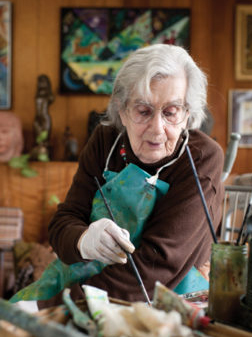
Sometimes I wonder if I wouldn’t have responded sooner if, in my childhood, I had had the enlightened opportunities for free painting at school and at home that children have today. My only memory of “art class” was at a private school in New York, where, at the age of about eight, we modeled a lion rampant from a cast about six inches high. The whole class worked on it for several months and the teacher would correct each boy’s work each day so that when the finished product was cast and proudly taken home, every lion was “perfect.”However, looking back in general I believe I had a happy and certainly a very secure childhood in New York City. I was born there and grew up on Sixty-eighth Street until I was sent off to boarding school at the age of thirteen. In the summers we stayed near the seashore in New Jersey and led a free, gregarious life as there were five children in my family and four double first cousins next door.After five years at St. Paul’s School, I progressed to Yale and while there decided to head for architecture, viewing it as a practical compromise between painting and business. However, after one postgraduate year at the Yale School of Architecture I decided to shoot the works and become an artist, so I went abroad to study painting in Paris. There in two years I learned a lot about art and life, particularly from the painting classes under Fernand Leger and partly from being exposed to French civilization and the wealth of European art treasures. In fact, I sincerely believe that I absorbed more education in those two years than in all my prior formal training.In the autumn of 1933, the depression having hit home, I returned to New York and set out to be a self-supporting artist. I painted murals in bathrooms and once in a while even murals in dining rooms. I designed needlework to order for a wool shop called the Knit-a-Bitl I even hand-painted a few lampshades. In fact, I was doing what is known as free-lancing or executing any art work that anyone wanted. I even handhooked two stair carpets. One of my pleasantest jobs was painting the inside of an octagonal bathhouse in Greenwich, Connecticut. On the ceiling I portrayed “The Perils of Bathing,” such as crabs and octo- quality could not help spilling over a bit despite the rigid school pattern. She filled me with excitement for painting, the history of art, European history, and French literature. I was unconscious of learning anything. I just absorbed and this contact became the background for my choosing fine arts as my chief study at Radcliffe College.To write as a profession was not an idea that had ever entered my wildest dreams. I had never met an author and the fact that one could make a living out of anything that seemed so close to just having fun seemed incredible. So, on leaving college in the depths of the Depression (1933), I took the first opening I could find and accepted a scholarship at the Bank Street College of Education in New York City to prepare myself to be a teacher. Here again luck was with me for I found that the Bank Street College was full of exciting and creative people. This was no humdrum teachers’ college, filling its students with dust-dry facts. We were made to listen to and look at real live children. Then we were told to use our heads in thinking about teaching them. We were not given stacks of books but whatever creative possibilities we had, be they ever so slight, were encouraged and nurtured. At last, to my amazement, mine flowered when I had my first book accepted by a publisher while I was still studying at the Writers’ Laboratory at the Bank Street School.This was exciting. With the idea of the fun and the possibilities very much in my mind, I kept on teaching but now combined it with writing. I began to write books that I felt children wanted at certain ages. They were not whimsical tales but tough old streamlined-train stories, stories about bulldozers, and fire engines, the stuff that a sixyear-old boy’s imaginative play is made of.Then one day I met a young artist who had just come back from studying art in Paris for two years. He too was interested in children’s books, as an illustrator. Even before we were married, in 1939, we were already writing and illustrating children’s books together. Since then we h~e created many, over forty now, I guess, and we seem to do more and more each year. Our house is full of the young, friends of our son, and that makes it fun for we gear our books to their interests, except of course when we take time off for a teen-age novel or a purelyfanciful tale such as The Cat from Telegraph Hill. We wrote this when nostalgic for the city we both love best in all the world, San Francisco.We live very close to this beautiful city now, in Mill Valley, but each summer we return to Vermont which was our home for many years.We go back to a very small house in the foothills of the Green Mountains because it’s hard to break the Vermont habit.Born November 12,1917, in Windsor, Vermont. Childhood winters were spent in New York City, summers in Maine. Attended City and Country School, Walden School and Lincoln School, New York; Oberlin CoIIege, Oberlin, Ohio.From her home, Robinhood Farm, Robinhood, Maine, Dahlov Ipcar writes, “I have been painting since earliest childhood. My parents, William and Marguerite Zorach, are both artists. From the beginning I was surrounded by creative activitypainting, sculpting, batiking and embroidering – so that art came naturally to me. I remember our walls were painted with the garden of Eden, and at the age of seven I started a frieze that travelled around my room, full of large and fanciful animals, bright colored horses and ostriches and dinosaurs. My parents never tried to direct me or give me instruction in art. They both felt that academic training had hampered and misdirected their art, and they wanted mine to develop as naturally as possible. I never attended art school. The schools I attended were all • progressive ‘. Perhaps through all this I have managed to keep a little of the child’s’ natural’ approach to painting and fresh view point. At least, I like to think so. I was married at eighteen, and since then my husband and I have been living on our farm in Maine the year round. He was an accountant who didn’t like the business world. He now runs our small dairy farm, and I help with the farm work, paint pictures, illustrate books, keep house, cook and take care of our two boys. We all enjoy our life on the farm, even though it is hard physical work. As an artist I am happy to be surrounded by the beauty of field and forest and animal life. All these things are part of my life and my pictures.” Mrs. Ipcar
has had seven one-man shows in New York City, her work is represented in a number of museums, including the Whitney and the Metropolitan, and she has done several murals.
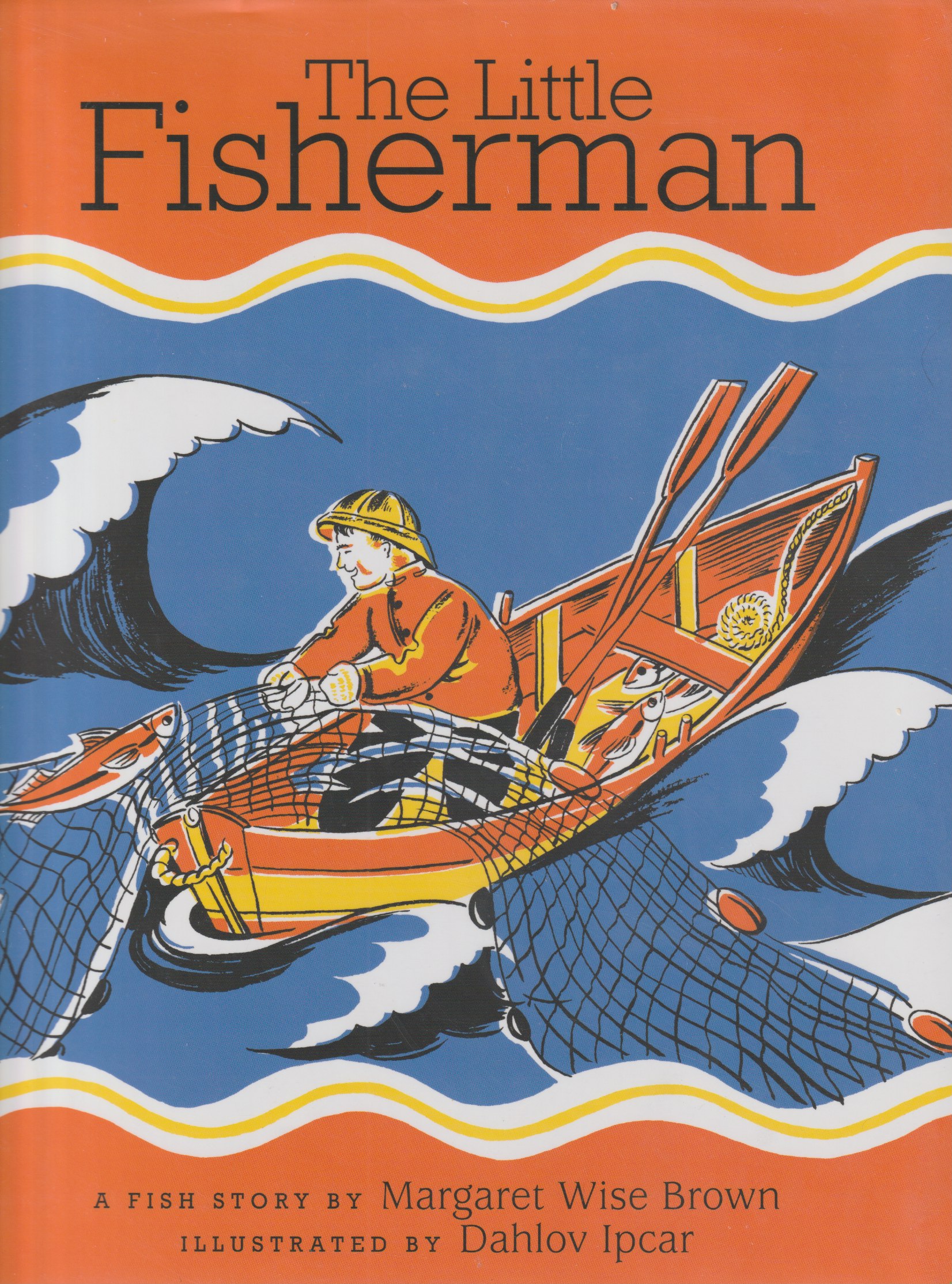
DAHLOV IPCAR
Nov. 12,1917 – Feb 10 2017
https://en.wikipedia.org/wiki/Dahlov_Ipcar

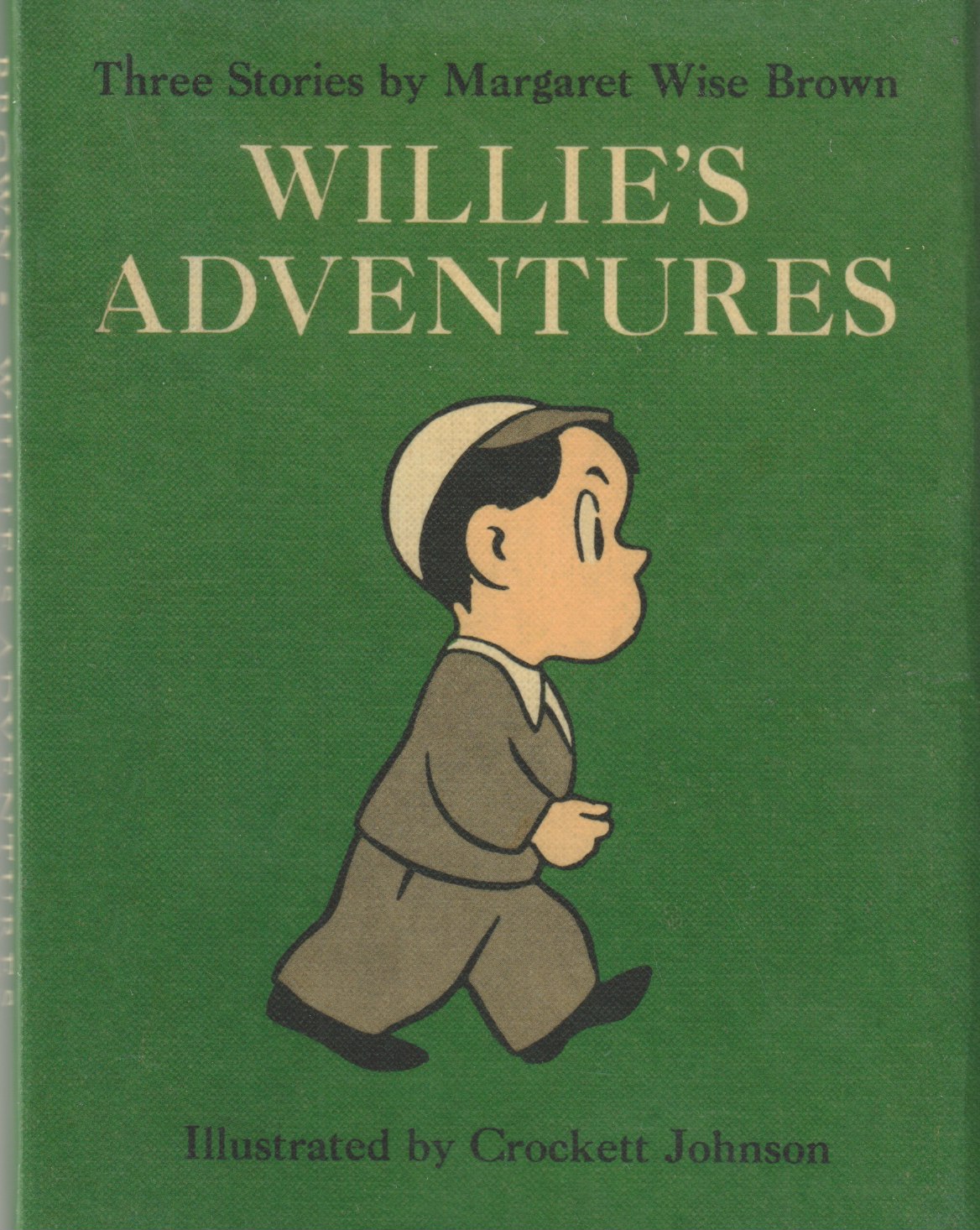
CROCKETT JOHNSON pseudo (David Johnson Leisk)
Oct 20, 1906 – July 11, 1975
https://en.wikipedia.org/wiki/Crockett_Johnson

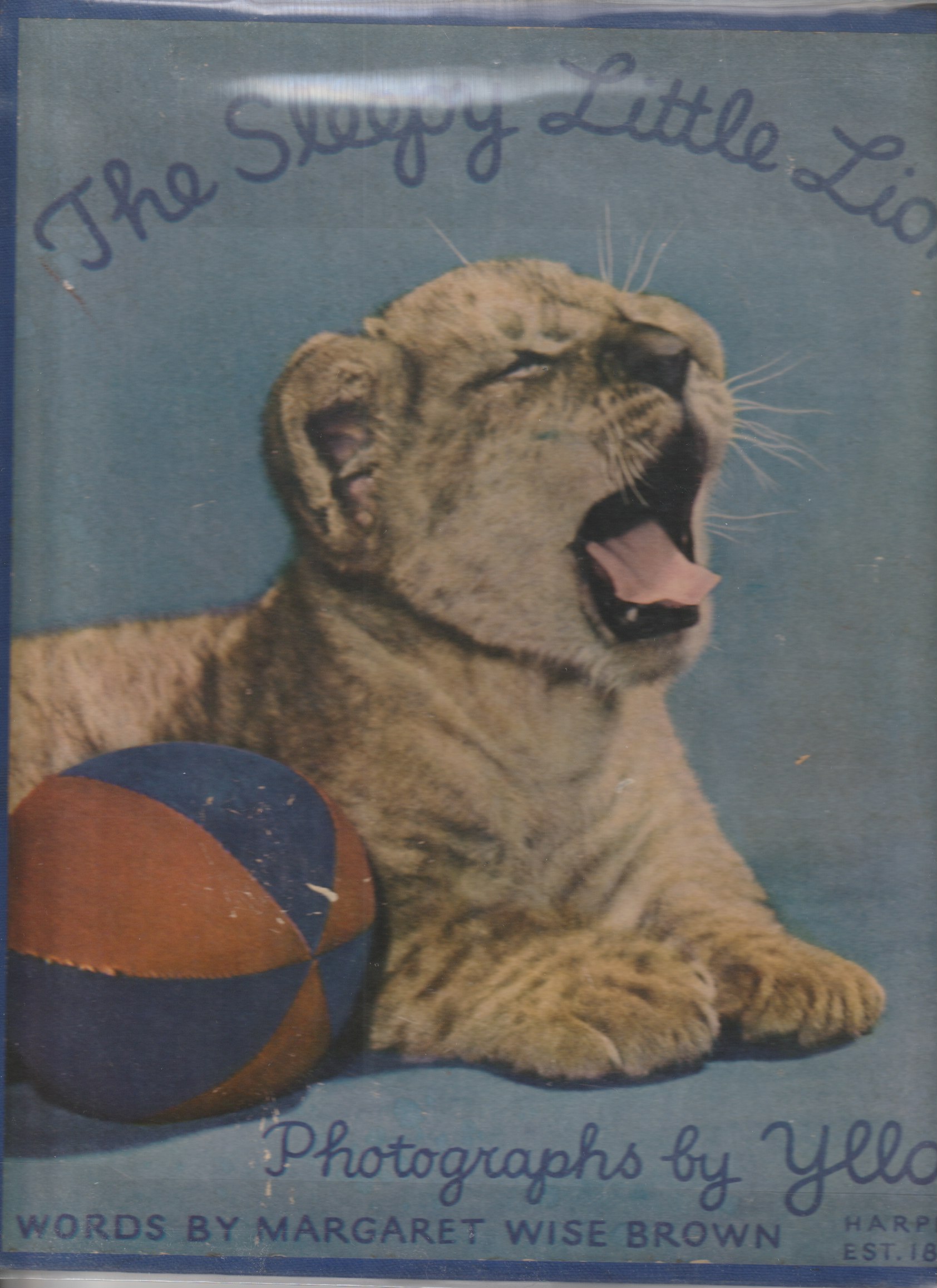
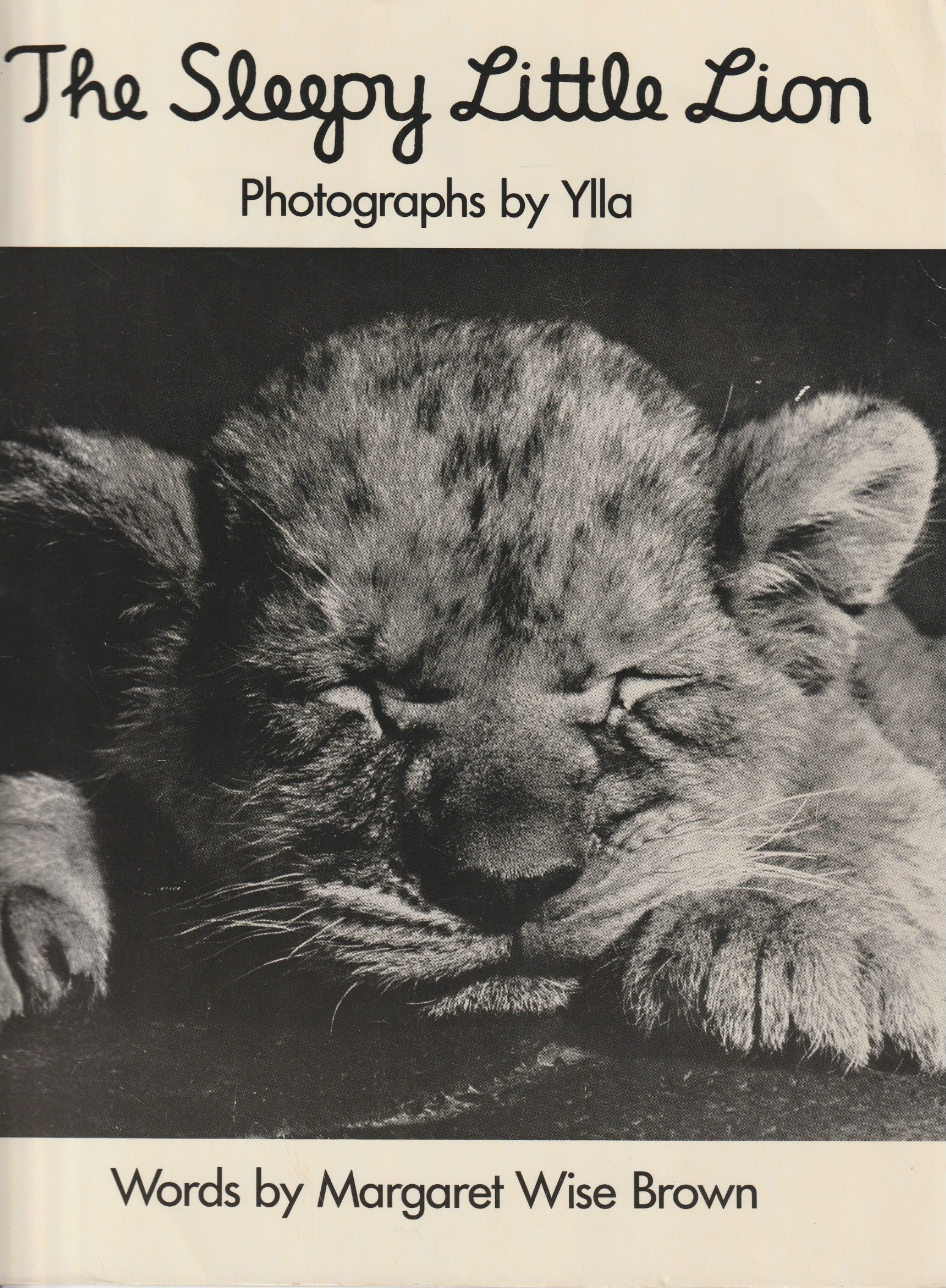
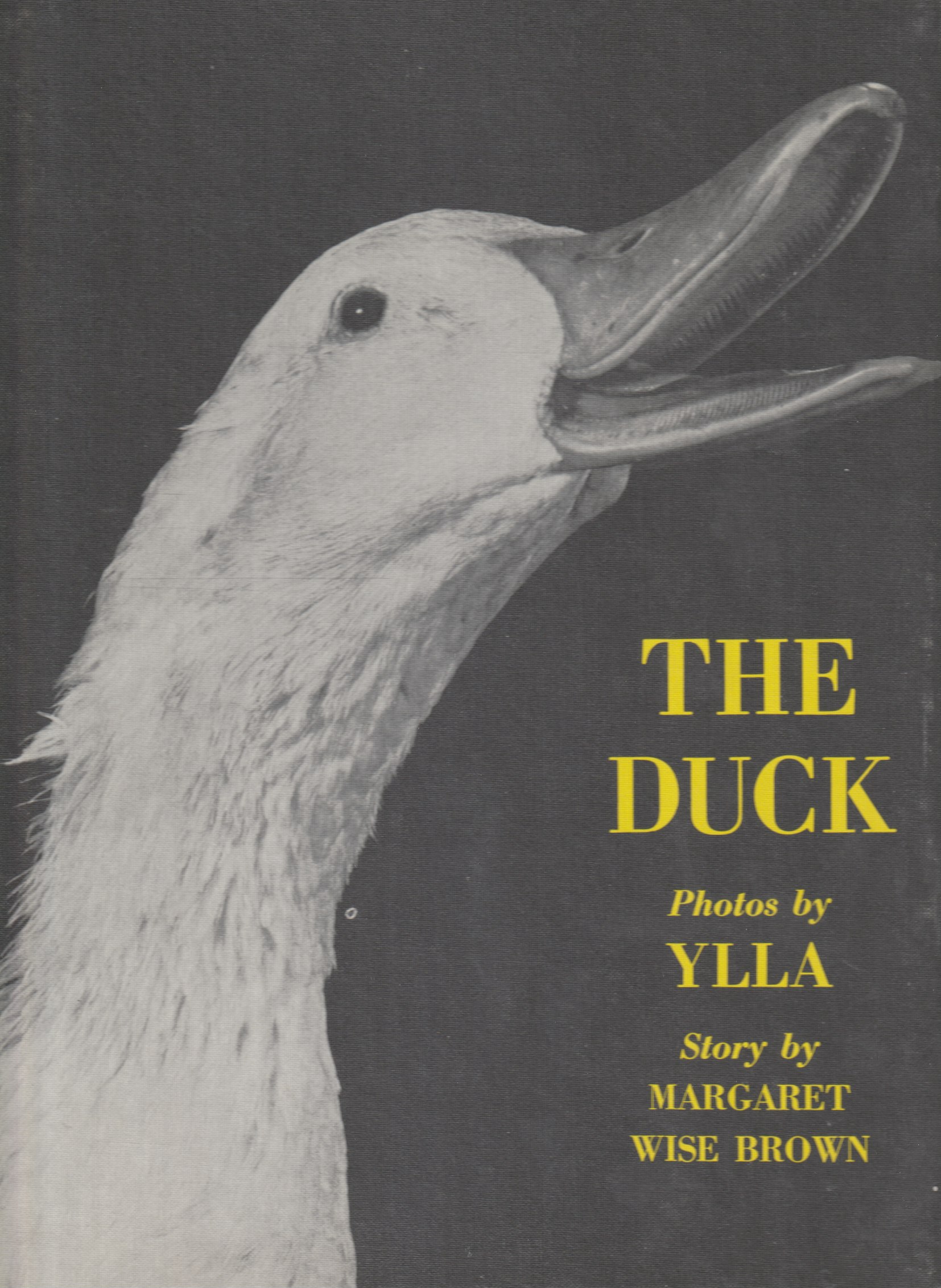
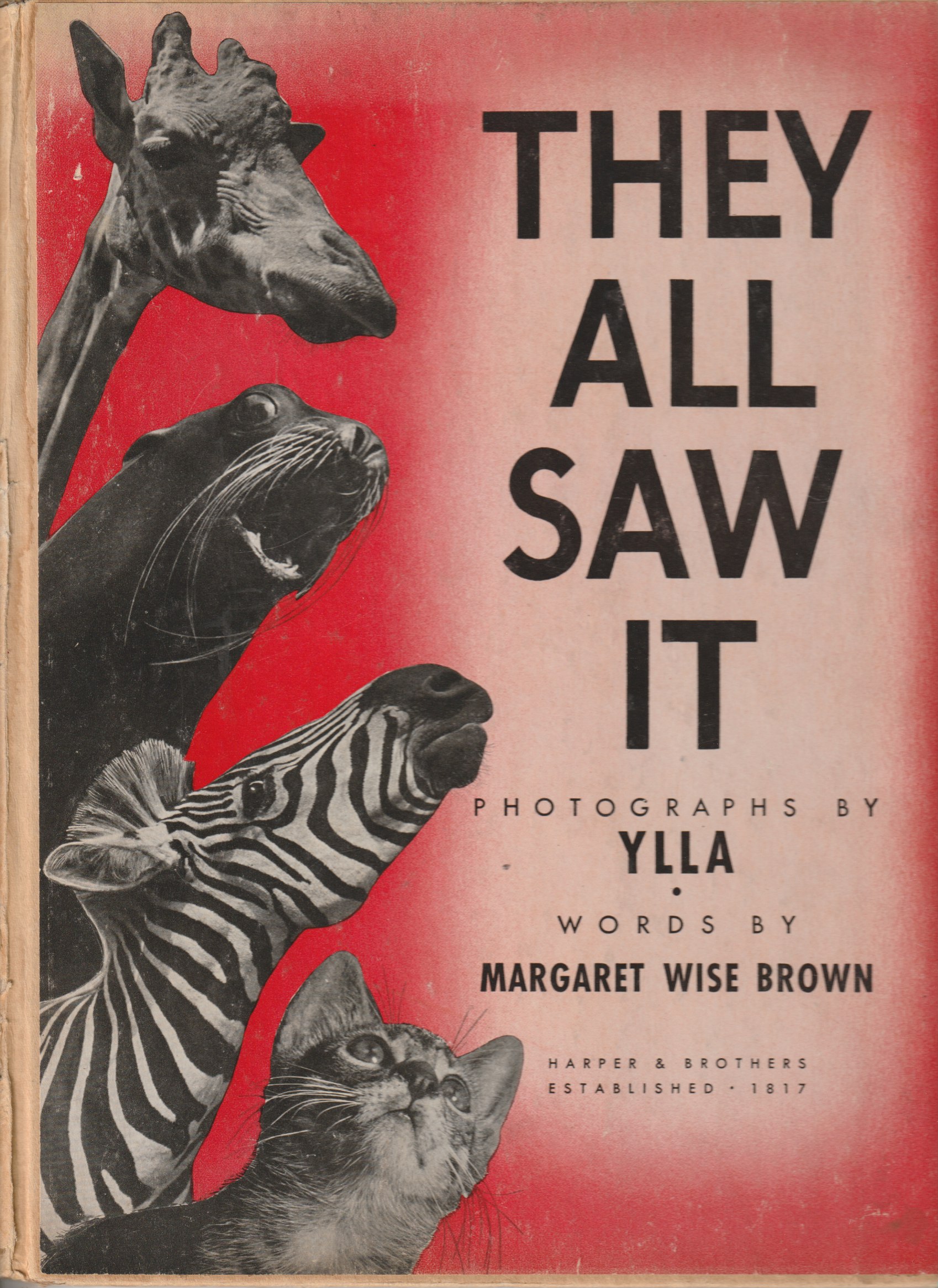
CAMILLA KOFFLER (Ylla)
Aug 16, 1911 – March 30 1955
https://en.wikipedia.org/wiki/Ylla
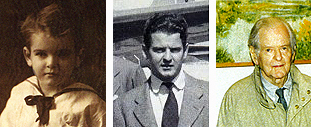
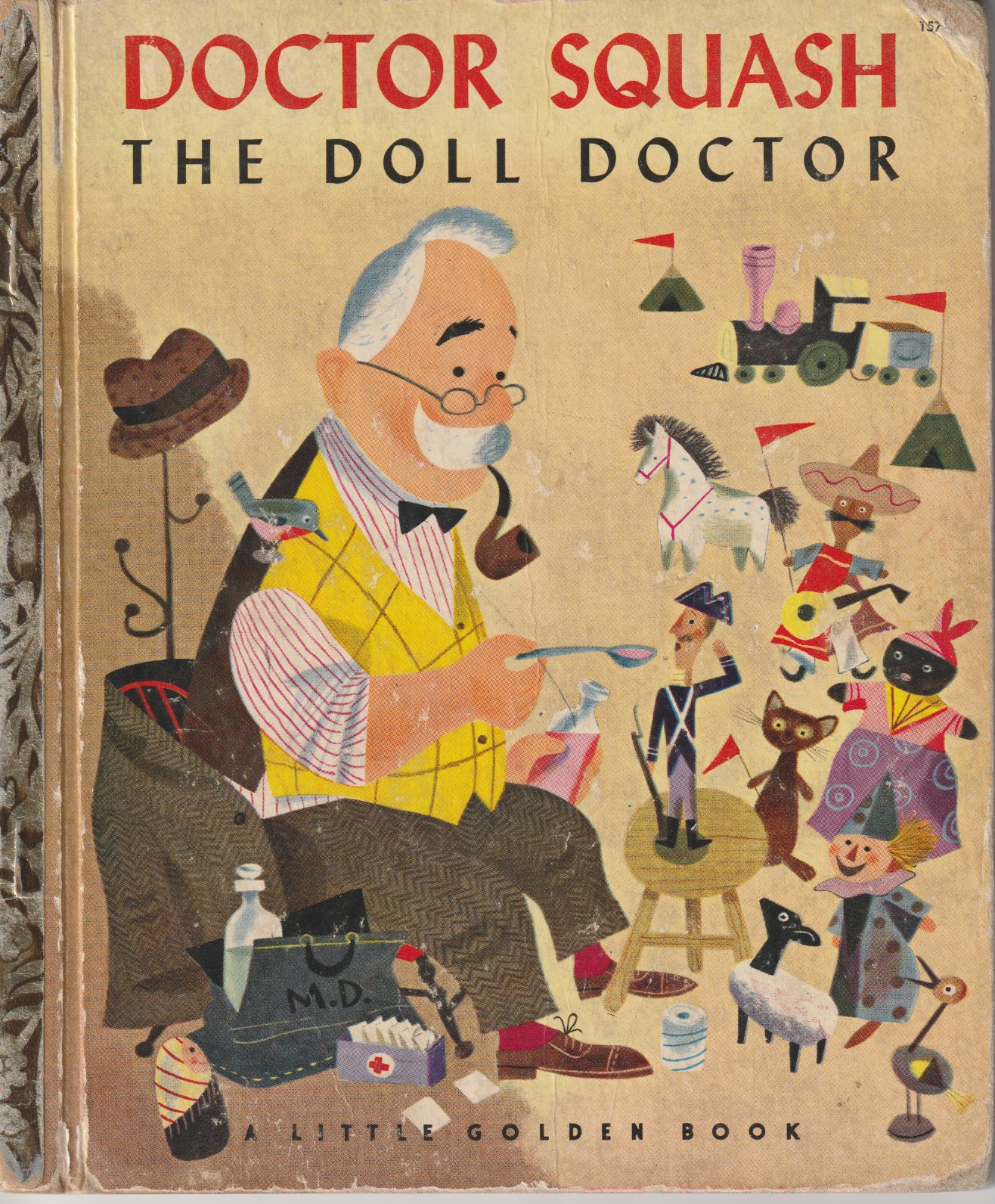
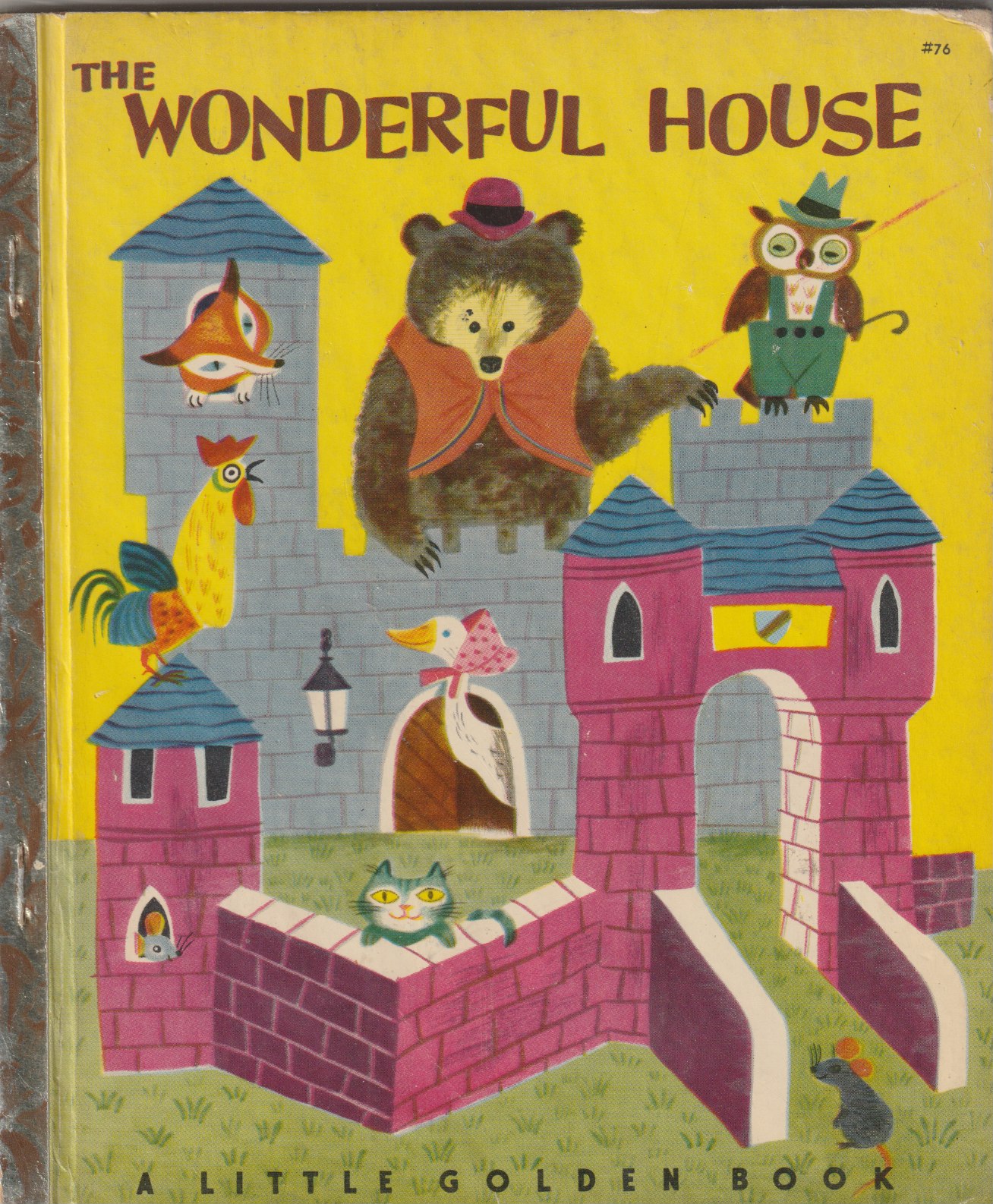
J.P. MILLER
1913-2004
J.P. Miller OBIT NY Times
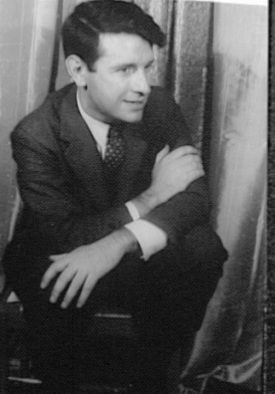
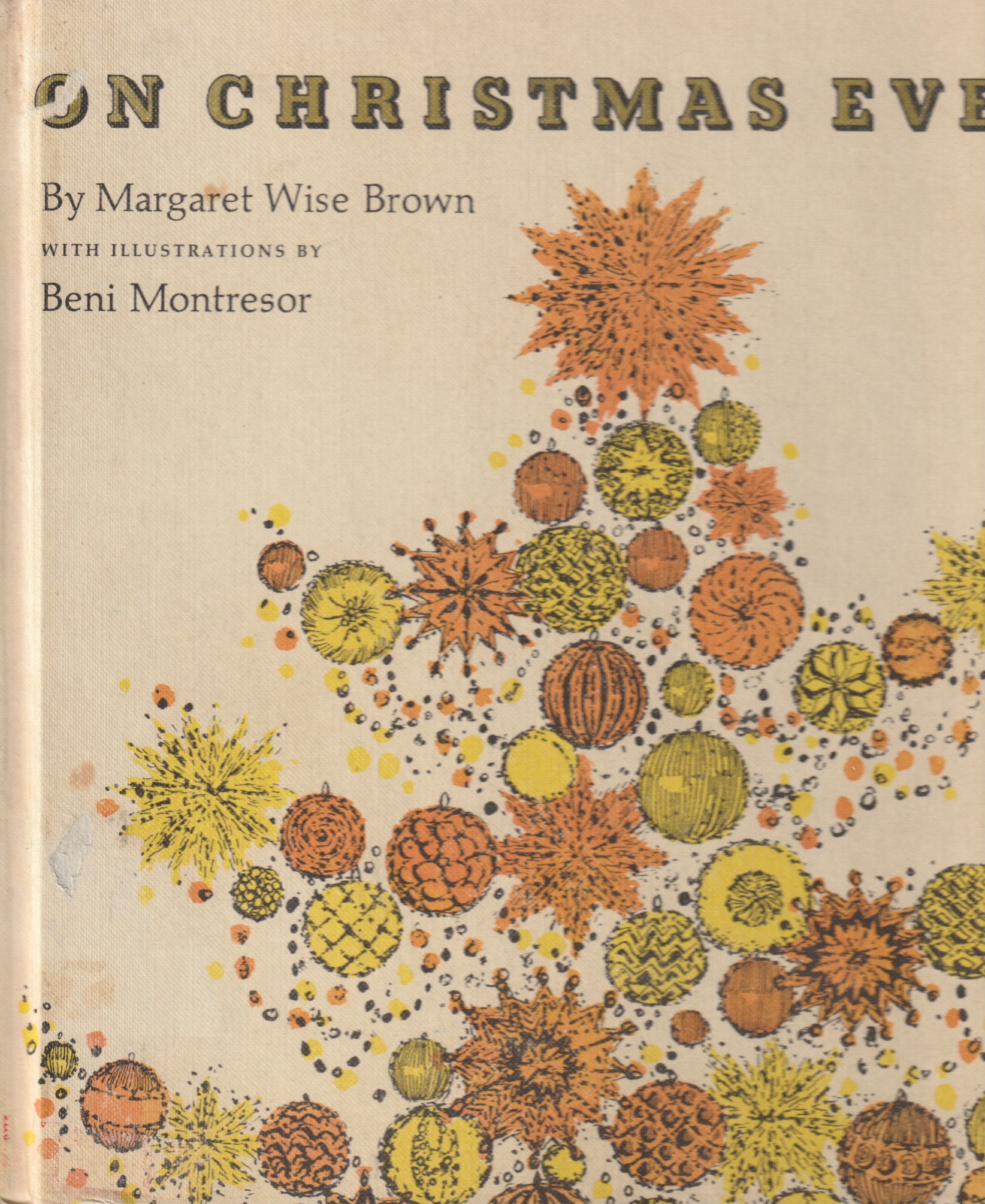
BENI MONTRESOR
March 31, 1926 – Oct 11, 2001
https://en.wikipedia.org/wiki/Beni_Montresor
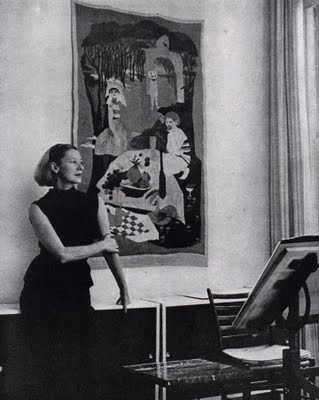
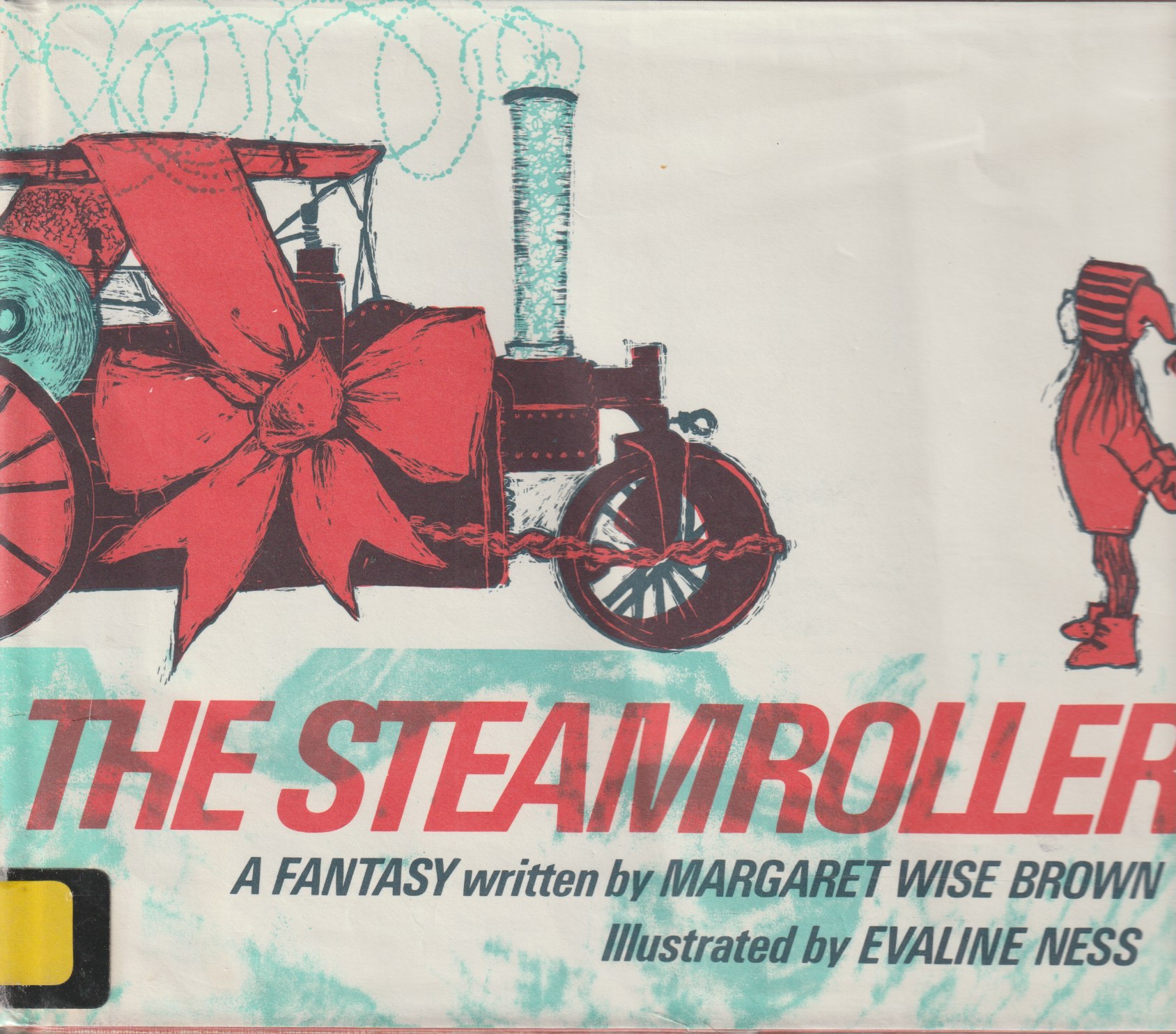
 MARGARET WISE BROWN ARCHIVE